
Understanding Diamonds: The 4 Cs
When selecting a diamond ring, understanding the four fundamental characteristics that contribute to a diamond’s quality and value—Carat, Cut, Clarity, and Color—is essential. Often referred to as the “Four Cs,” these attributes play a crucial role in determining both the diamond’s appearance and its price.
Carat refers to the weight of the diamond. One carat is equivalent to 200 milligrams, and the size of a diamond can significantly influence its value. While many consumers equate a higher carat weight with a more appealing diamond, it is essential to consider personal preferences and finger size. A high-carat diamond may not be as optimal for everyone, particularly if it doesn’t fit comfortably or match their style.
Cut is arguably one of the most vital aspects of a diamond. This attribute assesses how well the diamond has been shaped and faceted. A well-cut diamond reflects light beautifully, creating a brilliant sparkle. The quality of the cut is graded on a scale from Excellent to Poor, and it is advisable to prioritize cut quality in your selection process, as it greatly affects the diamond’s visual appeal.
Clarity measures the presence of internal or external flaws, known as inclusions and blemishes, respectively. A flawless diamond is exceedingly rare, and many inclusions are microscopic and can only be seen under magnification. Nonetheless, each buyer’s comfort with imperfections may vary, with some people preferring higher clarity for maximum brilliance.
Color assesses the presence of any color in a diamond, compared to a colorless diamond. The scale ranges from D (colorless) to Z (light yellow or brown). While colorless diamonds are often valued higher, many individuals find that diamonds with slight color exhibit a unique charm and can be more budget-friendly.
In summary, understanding the Four Cs can significantly enhance your diamond ring buying experience. By balancing these aspects based on personal preferences, you can select a diamond that not only fits your budget but also meets your aesthetic expectations.
Setting a Budget for Your Diamond Ring
When embarking on the journey of purchasing a diamond ring, setting a realistic budget is a crucial first step. A diamond’s price can vary significantly based on several factors, including carat weight, cut, clarity, and color. Understanding how these elements impact pricing can help you make informed decisions within your financial range.
The average cost of a diamond ring can fluctuate widely. According to various industry reports, the prices typically range from $1,000 for lower quality or smaller stones, to several tens of thousands for larger, high-quality diamonds. When determining your budget, consider the 4Cs of diamonds: carat, cut, clarity, and color. Each of these attributes influences not only the aesthetic appeal but also the price. Higher carat weights can command a premium, while an excellent cut may boost the diamond’s brilliance and overall appearance.
Additionally, the choice of setting can significantly alter the overall cost. While solitaire settings may be less expensive, more intricate designs with multiple stones or unique materials can elevate the price. As such, it is essential to allocate part of your budget to the setting, not just the diamond itself. A good strategy is to spend approximately 50% of your budget on the diamond and the remaining 50% on the setting.
To balance quality with financial comfort, it’s advisable to establish a clear budget before you start shopping. Consider your current financial situation and any upcoming expenses. Priority should be given to what you are financially comfortable with, over societal expectations of spending. Many jewelers offer financing options and payment plans, which may also be worth considering, as they provide the opportunity to get a quality diamond while managing cash flow. By taking these factors into account, you can confidently choose a diamond ring that aligns with both your aesthetic desires and budgetary constraints.
Choosing the Right Diamond Shape
When selecting a diamond ring, one of the most significant factors to consider is the shape of the diamond. The shape not only determines the overall aesthetic of the ring but also influences how well it complements the wearer’s personal style and the setting in which it will be placed. There are several popular diamond shapes on the market, each embodying unique characteristics that appeal to different individuals.
The round brilliant cut is the most favored diamond shape, known for its unparalleled sparkle and versatility. This shape tends to work well with various settings—from solitaires to halo designs—making it a timeless choice for many. Its classic aesthetic makes it suitable for both traditional and modern styles, ensuring that it remains a popular selection among brides-to-be.
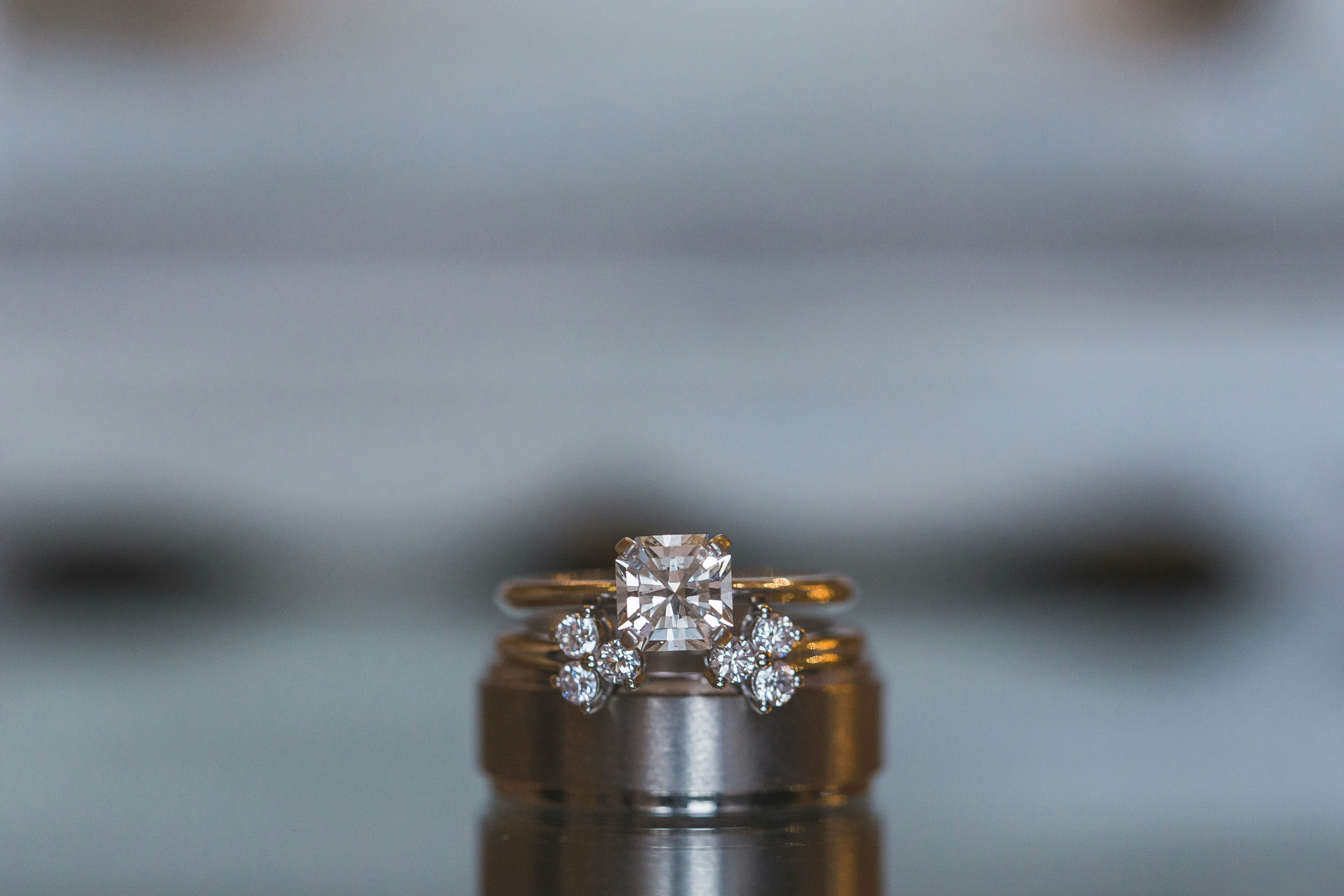
The princess cut, characterized by its geometric square form, offers a contemporary flair that is particularly appealing to those seeking a modern yet elegant look. This shape pairs beautifully with settings that accentuate its clean lines, and it is often accompanied by intricately designed bands that add a unique touch.
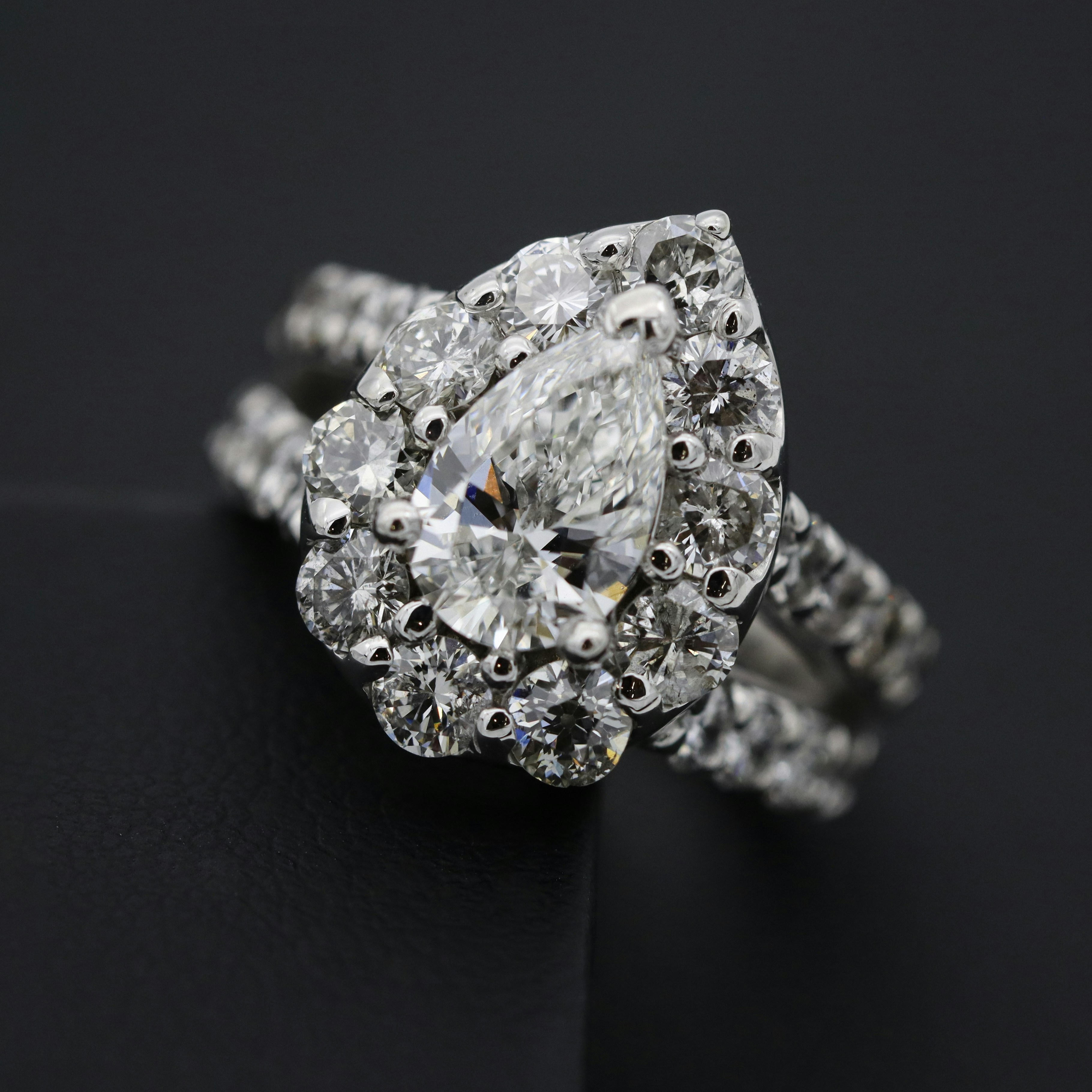
On the other hand, softer shapes like the cushion cut provide a vintage feel with their rounded corners and large facets, which create a romantic appearance. The cushion cut can enhance ornate settings, making it a perfect choice for those who love a more antique or vintage aesthetic. Similarly, shapes like oval and pear cuts can elongate the finger, creating an elegant look while providing a different level of brilliance compared to traditional shapes.
Ultimately, the diamond shape can significantly impact both the style of the ring and the wearer’s personal expression. Therefore, exploring various shapes and understanding how they complement different settings is essential when choosing the perfect diamond ring.
Understanding Diamond Certification
When it comes to purchasing a diamond ring, understanding diamond certification is crucial. Diamond certifications serve as a guarantee of the quality and authenticity of the diamond you are considering. Reputable grading laboratories, such as the Gemological Institute of America (GIA) or the American Gem Society (AGS), evaluate diamonds and issue reports that detail their assessment based on four primary criteria: cut, color, clarity, and carat weight. This standardized grading process ensures that you are getting exactly what you pay for.
A diamond’s certification report, commonly referred to as a grading report, includes detailed information about the diamond’s attributes. Buyers should pay close attention to this report, as it offers an unbiased evaluation of the stone and its characteristics. For instance, the “cut” of the diamond refers to how well it has been shaped and faceted, influencing its brilliance and overall appearance. The “color” grade indicates the absence of color in a diamond, with the highest quality diamonds being completely colorless. “Clarity” measures the presence of internal or external flaws, while “carat weight” denotes the size of the diamond.
Moreover, the importance of diamond certification cannot be overstated. A certified diamond provides peace of mind, assuring buyers that their investment is legitimate and conforming to industry standards. It also aids in establishing the diamond’s resale value should you ever decide to sell or upgrade the piece. In a market full of variations in quality and price, relying on certifications eliminates the uncertainty involved in diamond purchases. Therefore, when selecting a diamond ring, always ensure the diamond comes with a certification from a trusted grading laboratory to guarantee its quality and authenticity.
Finding the Perfect Setting for the Diamond
When selecting a diamond ring, the choice of setting plays a crucial role in defining its overall aesthetic and ensuring it complements the diamond while catering to the wearer’s lifestyle and preferences. A variety of engagement ring settings exist, each offering unique characteristics and appeal. Among these, the solitaire setting stands out as a classic choice, featuring a single diamond that takes center stage, allowing for maximum light reflection and brilliance. This minimalist design is favored by individuals who appreciate simplicity and elegance.
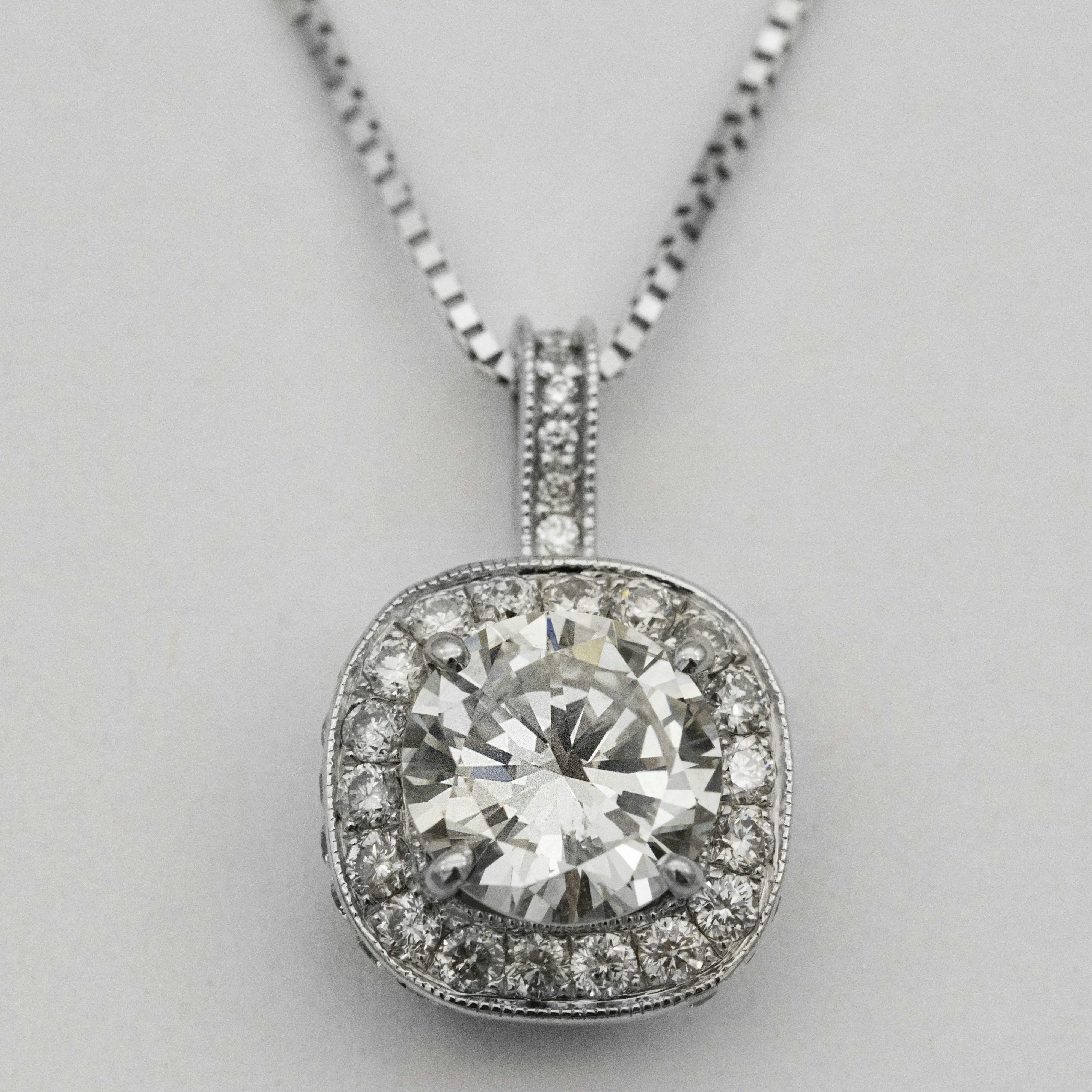
In contrast, the halo setting surrounds the central diamond with a ring of smaller gemstones, enhancing its sparkle and creating a more dramatic look. This setting is particularly effective at making smaller diamonds appear larger, appealing to those who love a touch of glamour. For couples desiring a more contemporary style, the three-stone setting, which includes a trio of stones symbolizing the past, present, and future, adds meaningful symbolism while providing a balanced design.
In addition to setting style, the choice of metal for the ring band significantly impacts the ring’s overall appearance. Common options include white gold, yellow gold, rose gold, and platinum. White gold offers a modern, sleek finish that complements the brilliance of diamonds, while yellow gold imparts a warm and elegant look. Rose gold, with its distinctive hue, has gained popularity for its romantic aesthetic. Platinum is the premium choice, known for its durability and timeless appeal, making it an excellent option for daily wear.
Ultimately, the perfect setting should enhance the diamond’s beauty while aligning with the wearer’s taste and lifestyle. Consideration of the metal choice and setting style is critical to ensuring that the engagement ring resonates on a personal level.
Shopping for Your Diamond Ring: Online vs. In-Store
When considering the purchase of a diamond ring, one must weigh the advantages and disadvantages of shopping online versus visiting a physical store. Each option offers unique benefits that cater to different preferences and needs, making it essential to understand these differences before making a decision.
Shopping for a diamond ring online presents convenience and a broader selection. Online retailers often provide detailed specifications for each diamond, accompanied by high-quality images and certification from reputable grading organizations. This transparency allows shoppers to compare diamonds meticulously from the comfort of their homes. However, it is vital to ensure the quality and authenticity of the product. It is advisable to check for certifications from recognized gemological institutions like the GIA or AGS. Additionally, consider purchasing from well-reviewed and established online retailers to mitigate risks.
On the other hand, shopping in-store offers a tactile experience that online shopping cannot replicate. Being able to see and touch the diamonds allows buyers to appreciate their brilliance and cut first-hand. Furthermore, interactions with sales associates can provide insightful information about diamonds, helping customers navigate their choices. Questions regarding warranties, return policies, and care tips can be clarified in person, ensuring a more thorough understanding of the purchase.
However, physical stores may have a limited selection compared to online platforms, and prices may be higher due to overhead costs. Buyers should be prepared to negotiate or ask about potential promotions to secure the best deal. Ultimately, whether opting for online or in-store shopping, both routes can lead to a satisfactory diamond ring purchase when approached with caution and due diligence.
Ethical Considerations in Diamond Purchasing
As consumers become increasingly aware of the implications behind their purchases, ethical considerations have emerged as a crucial factor in diamond buying. The diamond industry, historically plagued by issues related to conflict diamonds, has seen a significant shift towards more responsible sourcing practices. Conflict diamonds, often mined in war zones and sold to finance armed conflict, have prompted consumers to seek alternatives that assure the ethical integrity of their purchases.
To navigate these concerns, it is important to understand the significance of conflict-free diamonds. The Kimberley Process Certification Scheme was established to prevent the trade of conflict diamonds by ensuring that diamonds are sourced from locations free of conflict. Prospective buyers should verify that the retailers or brands they engage with comply with this certification. Many reputable sellers will provide documentation confirming that their diamonds are conflict-free, a reassuring measure for consumers prioritizing ethical sourcing.
In addition to conflict-free diamonds, sustainable practices within the diamond industry are gaining importance. Sustainable diamonds are sourced from mines that adhere to environmentally-friendly practices, protecting the ecosystems surrounding mining operations. Look for retailers that demonstrate a commitment to sustainability, such as those that participate in responsible mining initiatives and support the communities in which they operate.
Another alternative to consider is lab-grown diamonds. These artificial diamonds have the same physical and chemical properties as mined diamonds but are created in controlled environments, reducing the environmental impact and ethical concerns. Lab-grown diamonds are becoming increasingly popular among consumers who aim for sustainable choices without sacrificing quality or luxury.
Ultimately, being informed about the ethical aspects of diamond purchasing empowers consumers to make responsible decisions. By prioritizing conflict-free sources and sustainable practices, buyers can ensure that their diamond purchases align with their values.
Caring for and Maintaining Your Diamond Ring
Diamond rings are not only valuable in terms of material worth but also hold significant sentimental value for many individuals. To ensure that your diamond ring retains its brilliance and beauty over time, proper care and maintenance are essential. Regular cleaning, safe storage, and occasional inspections by a professional jeweler can significantly contribute to the longevity of your cherished piece.
Cleaning your diamond ring is a straightforward process that can be performed at home. A gentle approach is recommended; use a mix of warm water and mild dish soap, soaking the ring for a few minutes. Following the soak, a soft-bristle toothbrush can be utilized to remove debris from underneath the diamond and in the settings. Rinse thoroughly under warm water, ensuring that the drain is covered to prevent accidental loss. For a more thorough clean, consider professional cleaning services that employ ultrasonic technology, which can effectively lift out dirt and grime without damaging the setting.
Storage is another critical aspect of maintaining your diamond ring. It is advisable to store it separately from other jewelry to prevent scratching, which can occur when pieces are in direct contact with one another. A fabric-lined jewelry box or a soft pouch made specifically for storing fine jewelry can provide a protective environment. Additionally, avoid exposing your ring to harsh chemicals found in cleaning products, as this can tarnish metal settings or degrade any treatments applied to the diamond.
Regular inspections by a professional jeweler are also a vital part of ring maintenance. Jewelers can check for loose stones, worn prongs, or other potential issues that could compromise the ring’s integrity. Scheduling such inspections at least once a year is generally recommended. By taking these simple steps—cleaning, proper storage, and regular inspections—you can ensure that your diamond ring remains a stunning symbol of elegance and commitment for years to come.
Final Considerations: Making the Purchase
Choosing the perfect diamond ring is a significant decision, often accompanied by various factors that may influence the final purchase. Before committing to a specific ring, it is imperative to revisit the essential criteria that were assessed during the selection process. This includes confirming that the diamond’s cut, clarity, carat weight, and color align with your expectations and personal preferences.
One of the key aspects to consider is whether to negotiate the price of the diamond ring. Many jewelers are open to negotiation, especially if you are purchasing a higher-end piece or a custom design. Understanding the market value for similar diamonds can provide leverage during discussions. Additionally, inquire about any ongoing promotions or discounts that may be available, enhancing the value of your purchase.
Another crucial factor to address before finalizing your purchase is the return policy. Different retailers have varying policies concerning returns or exchanges, with some offering a full refund within a specified time frame, while others may provide store credit. Familiarizing yourself with these policies can offer peace of mind, particularly if there are any last-minute concerns about the diamond ring.
Lastly, consider any additional services that may add value, such as warranties or guarantees. These services can be beneficial, protecting against potential damages and ensuring that the diamond ring remains beautiful for years to come. A warranty may cover necessary repairs or maintenance, contributing to the longevity of the piece. Ensuring that you are well-informed about these services can enhance your overall purchasing experience.