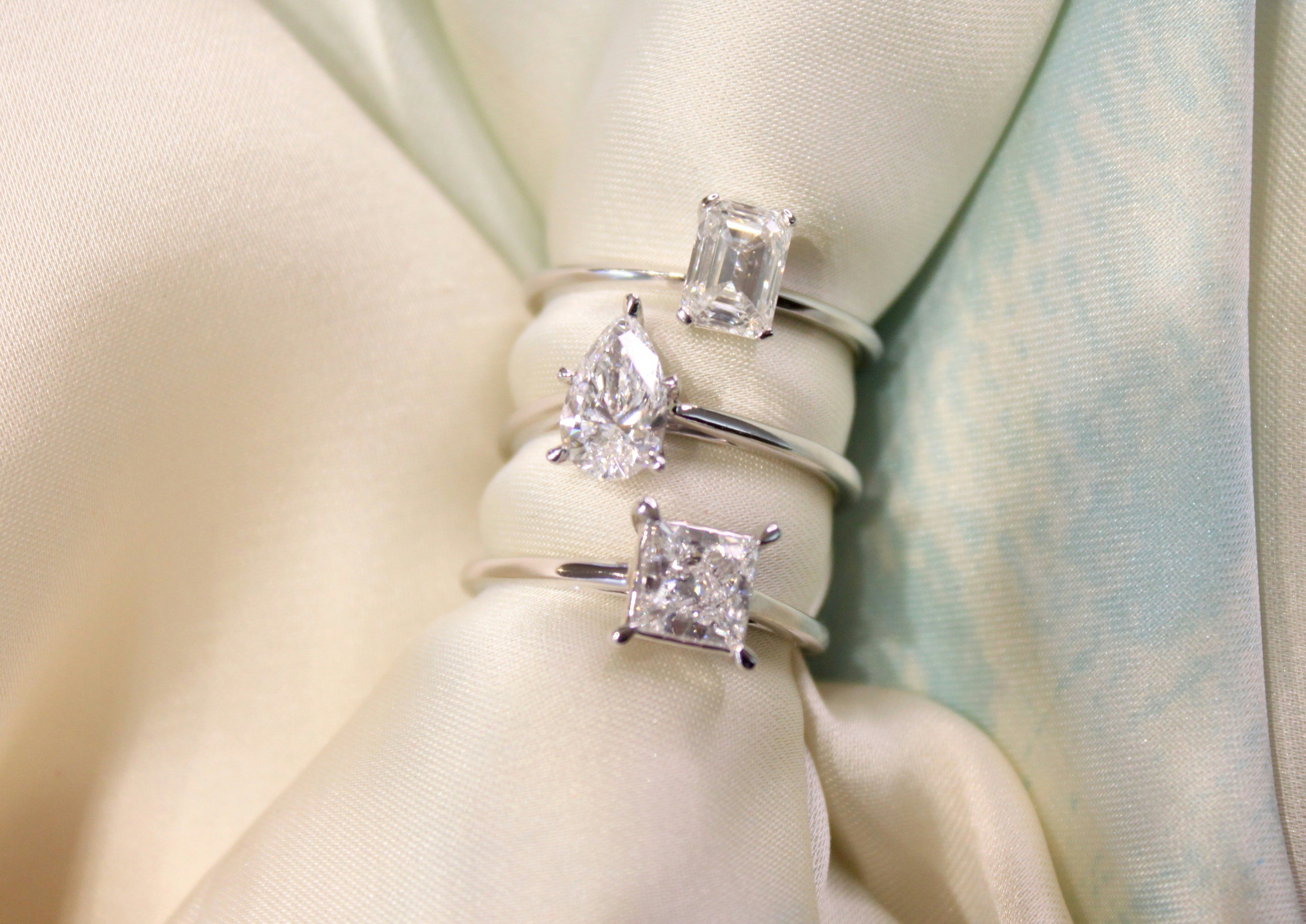

Understanding Diamonds: The Basics
Diamonds are an extraordinary form of carbon that has been subjected to extreme pressure and temperature deep within the Earth’s mantle, forming over billions of years. The geological processes involved in the creation of natural diamonds give them unique features that set them apart from synthetic or simulated diamonds. While natural diamonds originate from the Earth, synthetic diamonds are manufactured in laboratories, and simulated varieties mimic the appearance of diamonds without sharing the same composition.
The formation of a natural diamond begins when carbon atoms bond in a crystal lattice structure, which is fundamental to a diamond’s strength and clarity. Natural diamonds are characterized by their incredible hardness, ranking a 10 on the Mohs scale, making them the hardest known substance on the planet. This property not only speaks to their durability but also contributes to the brilliance for which authentic diamonds are celebrated. There are various types of diamonds, including colorless, fancy color, and Benzoic diamonds, which vary in value based on their hue, clarity, cut, and carat weight.
Furthermore, diamonds are classified based on their specific characteristics, known as the Four Cs: cut, color, clarity, and carat weight. The cut determines the diamond’s brilliance, while color refers to the presence of any hues, with higher color grades being more desirable. Clarity assesses the presence of internal imperfections or inclusions, which can significantly affect a diamond’s value. Lastly, the carat weight measures the size of the diamond, with larger stones typically commanding higher prices. Understanding these critical attributes is essential for anyone looking to identify and appreciate real diamond jewelry, as they play a crucial role in determining authenticity and worth.
The 4 Cs of Diamonds: Cut, Color, Clarity, Carat Weight
When it comes to identifying authentic diamonds, understanding the ‘4 Cs’ is essential. These four characteristics—cut, color, clarity, and carat weight—pose critical indicators of a diamond’s overall value and authenticity.
The first ‘C’, cut, refers to how well a diamond has been shaped and faceted. A well-cut diamond interacts beautifully with light, enhancing its brilliance and sparkle. The angles and proportions affect how light enters, reflects, and escapes the stone. Therefore, a higher-quality cut not only elevates the visual appeal but also directly impacts the diamond’s worth.
Next is color, which evaluates the diamond’s hue. Diamonds come in a spectrum of colors, although colorless diamonds are generally the most sought after. The grading scale ranges from D (colorless) to Z (light yellow or brown). When assessing a diamond’s color, the absence of color is preferred since it allows light to pass through more effectively, thus maximizing brilliance.
Clarity, the third C, examines the presence of inclusions and blemishes within a diamond. Inclusions are internal flaws, while blemishes occur on the surface. The fewer imperfections a diamond has, the higher its clarity grade. Clarity significantly influences the stone’s desirability; peak clarity ensures that the diamond appears more brilliant when viewed under different lighting conditions.
Lastly, carat weight measures the diamond’s size, with one carat equating to 200 milligrams. Larger diamonds are more rare and hence more valuable. However, it is crucial to consider this alongside the other Cs; a smaller diamond with an excellent cut and high clarity can be more valuable than a larger but poorly cut stone.
Visual Inspection: Signs of Authenticity
When attempting to identify authentic diamonds, a thorough visual inspection is essential. Real diamonds exhibit unique characteristics that can be discerned through careful observation. One of the first elements to inspect is the light reflection. Authentic diamonds possess exceptional brilliance and sparkle, attributed to their precise cut and quality. When light enters the diamond, it reflects off its facets and scatters, creating a dazzling play of colors known as fire. A true diamond will display a lively range of sparkle, in contrast to artificial stones that often appear dull or overly uniform.
Another crucial aspect to examine is the presence of inclusions. Authentic diamonds may contain small imperfections known as inclusions, which can be natural formations or internal characteristics formed during the diamond’s growth. These inclusions can manifest as tiny black spots or cloud-like areas within the stone. Utilizing a jeweler’s loupe, a magnification tool, can aid in revealing these telltale signs of authenticity. Under magnification, you may observe the unique inclusions that distinguish a real diamond from a synthetic one.
Additionally, pay attention to the facets of the diamond. A well-cut diamond will exhibit sharp, clear edges and a polished surface. Check for symmetry in the facets as authentic diamonds should reflect light evenly. On the other hand, imitation stones may display uneven cuts or poorly defined facets. While inspecting, ensure you evaluate the diamond from various angles to witness its overall brilliance effectively. Keeping these aspects in mind during visual inspection will enhance your ability to discern authentic diamonds from simulants. Remember to practice patience and take your time, as precise observation is vital in identifying the genuine article.
The Loupe and the Refractive Index Test
A jeweler’s loupe, a small magnifying glass, is an essential tool for jewelers and gemologists, allowing for detailed examination of gemstones, including diamonds. Use of a loupe enables one to observe the internal and external features of a diamond, such as inclusions, craftsmanship, and surface blemishes. When inspecting diamonds through a loupe, one can determine authenticity by identifying unique characteristics that are typically present in natural diamonds, distinguishing them from synthetic or imitation stones.
One of the most effective methods to differentiate authentic diamonds from simulants, such as cubic zirconia, is the refractive index test. The refractive index is a measure of how much light is bent as it passes through a gemstone. Diamonds possess a high refractive index, specifically between 2.41 to 2.42, which contributes to their brilliance and fire. To conduct a refractive index test, one must utilize a refractometer, a specialized tool designed to measure this property effectively.
To perform the refractive index test, the natural diamond is placed on the surface of the refractometer alongside a known substance, usually a special liquid with a specific refractive index. By taking the measurement, if the refractive index falls within the range characteristic of diamonds, it confirms the authenticity of the stone. On the other hand, cubic zirconia and other diamond simulants will typically register lower refractive indices. This test is vital for anyone seeking to assess the quality and authenticity of diamond jewelry, making it an indispensable part of the jeweling and appraisal processes.
Thermal Conductivity Test: Using a Diamond Tester
The thermal conductivity test is a widely used method for determining the authenticity of diamonds. This technique employs a specialized tool known as a diamond tester, which measures the rate at which heat travels through a gemstone. Authentic diamonds have a unique thermal conductivity that allows them to conduct heat very efficiently, more so than most other gemstones.
A diamond tester typically features a probe that, when placed against a gemstone, provides readings on its thermal conductivity. If the gemstone is an authentic diamond, the tester will register a specific response, indicating that it is indeed a diamond. The primary advantage of using a diamond tester is its straightforward operation and quick results; many devices can provide immediate feedback on whether the gem in question is genuine.
For those interested in purchasing a diamond tester, these tools can be found at reputable jeweler supply stores, online retailers, and even some large department stores. Prices vary significantly, depending on the device’s sophistication and brand, with a range that accommodates both casual buyers and professional jewelers.
However, not everyone has immediate access to a diamond tester. In such instances, alternative methods can be employed to assess the authenticity of diamonds. One common technique is the water test, where a gemstone is submerged in water; a genuine diamond will sink due to its high density, while most simulants will float. Another method involves the fog test, which helps differentiate diamonds from other gems based on their ability to disperse moisture. Although these alternative methods may not be as definitive as using a diamond tester, they can provide useful preliminary assessments before seeking professional verification.
Certificate of Authenticity: What to Look For
When purchasing real diamond jewelry, one of the most significant aspects to consider is the certificate of authenticity. This document serves as verification that the diamond you are investing in is genuine and provides an assurance of its quality and characteristics. A credible certificate indicates that the diamond has been evaluated and graded by reputable gemological institutes. These organizations are recognized for their unbiased evaluations and established grading standards, ensuring that the information provided is trustworthy.
A comprehensive grading report or certificate typically includes essential information about the diamond, such as its carat weight, cut, color, and clarity. These four attributes, commonly referred to as the “Four Cs,” are fundamental in determining a diamond’s overall quality and value. Additionally, credible certifications often reveal the diamond’s measurements and any unique features that could influence its appearance. Therefore, when assessing a diamond, one should ensure that these specifications are clearly stated on the certificate.
Furthermore, it is essential to verify the affiliation of the gemological institute that issued the certification. Reputable organizations include the Gemological Institute of America (GIA), the International Gemological Institute (IGI), and the American Gem Society (AGS). Certificates issued by these institutes are widely acknowledged within the jewelry industry and among consumers. The presence of a certification number on the grading report allows buyers to verify the report’s authenticity through the issuing institute’s website, adding an extra layer of security to the purchase.
In summary, a certificate of authenticity is a vital component that enhances consumer confidence when purchasing diamond jewelry. It confirms that the diamond is indeed real while also providing insight into its quality and specifications, ultimately guiding buyers toward informed decisions.
Common Diamond Simulants: Differences Explained
When it comes to diamond jewelry, understanding how to identify authentic diamonds versus their simulants is crucial. There are several popular diamond simulants, notably moissanite, cubic zirconia, and white sapphires, each possessing distinct characteristics that set them apart from genuine diamonds.
Moissanite, originally discovered in meteorites and now created synthetically, is known for its remarkable brilliance and fire, often exceeding that of authentic diamonds. One of the main differences lies in its hardness; while diamonds score a 10 on the Mohs scale, moissanite scores around 9.25, making it exceedingly difficult to scratch. Its dispersion, or the way it reflects light, can sometimes create a rainbow-like effect, distinguishing it from the more subdued sparkle of diamonds.
Cubic zirconia, another well-known simulant, is often used in costume jewelry due to its affordability. Although it can visually resemble a diamond, it’s much less durable, ranking around 8–8.5 on the Mohs scale. Cubic zirconia typically has a perfect clarity and may lack the inclusions that genuine diamonds often possess, making it easier to identify by a trained eye. Furthermore, its brilliance tends to appear overly bright and can look artificial under certain lighting conditions.
White sapphires, yet another alternative, offer a different aesthetic. Although they are natural gemstones, they lack the brilliance of diamonds and even moissanite. They are still quite durable, scoring a 9 on the Mohs scale, but can appear more glassy and less sparkly when compared to authentic diamonds. Pricewise, white sapphires are generally less expensive than both diamonds and moissanite, further complicating the decision for buyers.
Understanding these differences can empower consumers to make informed decisions when investing in diamond jewelry, ensuring they recognize the quality of their selection.
Beware of Red Flags When Buying Diamonds
Purchasing diamond jewelry is a significant investment and should be approached with caution. There are several warning signs and potential scams that buyers should be aware of to ensure they are acquiring authentic diamonds. One major red flag to watch for is a price that seems too good to be true. If a deal appears excessively cheap compared to the market average, it likely indicates that the diamond may be of inferior quality or even a synthetic or imitation stone.
Another concerning factor is the absence of certification. Reputable diamonds typically come with certificates from recognized gemological laboratories, such as the Gemological Institute of America (GIA) or the International Gemological Institute (IGI). These certificates provide an independent assessment of the diamond’s quality, including its cut, color, clarity, and carat weight. If a seller cannot provide certification or offers diamonds that are not lab verified, buyers should exercise caution and consider whether they are investing in a legitimate product.
Furthermore, sellers who are reluctant to provide detailed information about their diamonds or about their own business practices can also be a red flag. An unethical seller may avoid answering questions about the diamond’s origins, characteristics, or resale value. Transparency should be a hallmark of any reputable diamond seller. Buyers should feel empowered to ask questions and demand satisfactory answers. If a seller is uncooperative or appears to be concealing information, it may be wise to seek the purchase elsewhere.
In conclusion, being vigilant about these red flags can help buyers avoid unwanted surprises. Investing in diamond jewelry requires thorough research and an understanding of the market, allowing buyers to make informed decisions and secure genuine diamonds.
Conclusion: Investing in Authentic Diamond Jewelry
In summary, recognizing the significance of authentic diamond jewelry is paramount for both collectors and casual buyers alike. Over the course of this blog post, we have explored essential characteristics that differentiate real diamonds from imitations, highlighting facets such as certification, clarity, and craftsmanship that contribute to the overall value of a diamond. Understanding these aspects is crucial when investing in diamonds, as it empowers buyers to make informed decisions that not only protect their investment but also enhance their appreciation for the natural beauty of genuine gemstones.
Additionally, the allure of authentic diamond jewelry extends beyond mere aesthetics. It symbolizes commitment, celebrates milestones, and serves as a timeless heirloom. A genuine diamond, with its unique sparkle and rarity, holds intrinsic value that can often appreciate over time, making it a worthy financial investment. By applying the knowledge gained from this discussion, readers can confidently navigate the diamond market, ensuring that their purchases reflect authenticity and quality.
As you venture into the world of diamonds, remember to utilize the tools and tips provided to distinguish between genuine diamonds and imitations. This vigilance will not only lead to better purchasing decisions but will also deepen your appreciation for the craftsmanship and artistry behind fine diamond jewelry. Investing in authentic diamond jewelry is an enriching experience that combines elegance with enduring value, making it a true treasure for generations to come.