
Introduction to Lab Grown Diamonds
Lab grown diamonds, also known as synthetic diamonds or cultured diamonds, are gemstones that are produced in controlled laboratory environments rather than being formed naturally deep within the Earth over millions of years. The process of creating these diamonds involves high-pressure, high-temperature (HPHT) methods or chemical vapor deposition (CVD), both of which replicate the conditions necessary for diamond formation.
HPHT diamonds are created by mimicking the natural geological processes that form diamonds, while CVD diamonds are made by depositing carbon atoms onto a substrate, allowing them to crystallize into diamond structure. The end products are virtually indistinguishable from their natural counterparts, sharing the same physical, chemical, and optical properties.
In recent years, the popularity of lab grown diamonds has surged, driven by various factors including ethical sourcing, environmental considerations, and affordability. Many consumers now view them as a modern and responsible alternative to mined diamonds. With increasing awareness regarding the social and environmental implications of diamond mining, lab grown diamonds have begun to shift perceptions within the jewelry market.
Moreover, the price point of lab grown diamonds is generally lower than that of natural diamonds, often by 20-40%, making them an appealing choice for engaged couples seeking engagement rings without compromising on quality. As acceptance of lab grown diamonds grows, they are increasingly seen not just as an alternative, but as a legitimate option for those looking to celebrate love and commitment. This evolving narrative continues to reshape the landscape of fine jewelry, providing consumers with more choices than ever before.
The Benefits of Choosing Lab Grown Diamond Engagement Rings
Lab grown diamond engagement rings are increasingly becoming a popular choice among couples for various compelling reasons. One of the primary advantages is ethical sourcing. Traditional diamond mining often involves human rights violations and exploitative labor practices. In contrast, lab grown diamonds are created in controlled environments, ensuring that they are sourced ethically and responsibly, without the social and environmental issues associated with mined diamonds.
Additionally, lab grown diamonds offer significant environmental benefits. The process of mining natural diamonds can cause extensive ecological destruction, including deforestation, soil erosion, and disruption of local wildlife. On the other hand, the production of lab grown diamonds utilizes considerably less energy and water. As consumers become more conscious of their environmental impact, choosing lab created diamonds aligns with a sustainable lifestyle.
Cost is another significant factor favoring lab grown diamonds. Typically, lab grown diamonds are available at a lower price point—often 20-40% less than their earth-mined counterparts. This affordability allows couples to invest in larger or higher quality stones while staying within their budget. Since lab diamonds are chemically and physically identical to mined diamonds, opting for a lab grown stone does not compromise on quality or beauty.
Choosing a lab grown diamond engagement ring ensures not only a beautiful symbol of commitment but also reflects values such as ethical sourcing and environmental consciousness. With the added bonus of affordability, it is clear why many couples are turning to lab grown diamonds for their unique and personal engagement ring choices.
The Drawbacks of Lab Grown Diamonds
While lab grown diamonds offer numerous benefits such as cost-effectiveness and ethical sourcing, they also come with certain drawbacks that may impact a consumer’s decision. One of the primary concerns associated with lab grown diamonds is their resale value. Typically, these diamonds do not hold their value as well as natural diamonds. The market for lab grown stones is still developing, which means that owners may find it difficult to sell their diamonds later at a price that reflects their original purchase value.
Another consideration is the differing perceptions of value between lab grown and natural diamonds. For many, diamonds are not just a luxurious purchase; they carry significant emotional weight. Natural diamonds are often seen as rare treasures formed over billions of years, which can add to their sentimental value in engagements and weddings. On the other hand, lab grown diamonds, while chemically identical, may be perceived as less valuable due to their synthetic origin. This difference in perception can affect the emotional significance that some individuals associate with their engagement ring.
Additionally, some consumers may grapple with feelings of guilt or uncertainty when opting for a laboratory-created stone over a natural diamond. This emotional aspect can influence their purchasing decisions and might lead to choices that feel less authentic or personal. As such, individuals should carefully weigh their values, emotions, and expectations against the benefits of lab grown diamonds. Consulting with a knowledgeable jeweler can provide insights into the pros and cons, helping consumers make informed choices that reflect both their personal tastes and financial considerations.
Evaluation of Lab Grown Diamonds
Lab grown diamonds, like their natural counterparts, are evaluated based on the well-known criteria known as the 4 Cs: cut, color, clarity, and carat weight. Understanding how these characteristics are measured and rated is essential for consumers looking to purchase a lab grown diamond engagement ring.
The cut of a diamond refers to how well the stone has been shaped and faceted. The quality of the cut significantly influences the diamond’s sparkle and overall appearance. Both lab grown and natural diamonds can receive similar cut ratings from certified gemological institutions, such as the Gemological Institute of America (GIA) and the American Gem Society (AGS), based on the precision of their angles and proportions.
Color grading measures the absence of color in white diamonds, with a scale ranging from D (colorless) to Z (light yellow). Lab grown diamonds typically exhibit fewer color imperfections due to the controlled environment in which they are created. Consequently, consumers may find it easier to acquire higher color grades for lab grown diamonds compared to natural stones.
Clarity assesses the presence of internal or external flaws, referred to as inclusions and blemishes, respectively. Laboratory conditions under which lab grown diamonds are produced can result in fewer inclusions, leading to higher clarity ratings. Therefore, potential buyers may often find lab grown diamonds that appear superior in clarity when stacked against natural diamonds.
Finally, carat weight denotes the size of a diamond. Carat weight measurement remains consistent for both lab grown and natural variants. However, due to lower pricing for lab grown diamonds, consumers can often purchase larger stones without exceeding their budget.
Overall, both lab grown and natural diamonds are graded with the same parameters, which provides consumers with a reliable framework to assess their options effectively.
Price Comparisons: Lab Grown vs. Natural Diamonds
When evaluating the costs of diamonds, significant price differences exist between lab grown and natural diamonds. Generally, lab grown diamonds are priced between 20% to 40% lower than their natural counterparts. This price advantage stems from the more efficient manufacturing process of lab grown options, which allows for reduced overhead costs and a streamlined supply chain.
To provide a clearer picture, the average cost per carat for a lab grown diamond ranges from approximately $1,000 to $3,000, while natural diamonds typically fall within the range of $4,000 to $10,000 per carat, depending on the quality and rarity of the stone. Factors influencing these prices include clarity, color, carat weight, and certification.
Beyond the basic price listings, various external elements also affect diamond prices. For instance, fluctuations in market demand, mining costs, and the authenticity verification processes can lead to price variations in natural diamonds. Consequently, buyers should remain mindful of potential markups associated with natural diamond purchases and consider how these factors can influence their investment.
Choosing lab grown diamonds not only provides budget-friendly options but also enables consumers to partake in ethical purchasing. Many buyers find the environmental and social benefits associated with lab grown diamonds appealing; after all, they can contribute to a more sustainable market without compromising aesthetic quality. Thus, the financial savings alongside ethical considerations make lab grown diamonds a more attractive option for many buyers.
In conclusion, understanding the price dynamics between lab grown and natural diamonds equips consumers with necessary knowledge to make informed purchase decisions while maximizing their investment value.
Design and Customization Options
One of the significant advantages of lab grown diamond engagement rings is the vast array of design and customization options available to customers. Unlike traditional diamonds, which often come with limited selections due to natural constraints, lab grown diamonds can be created in various cuts, shapes, and sizes, allowing for an exceptional degree of personalization.
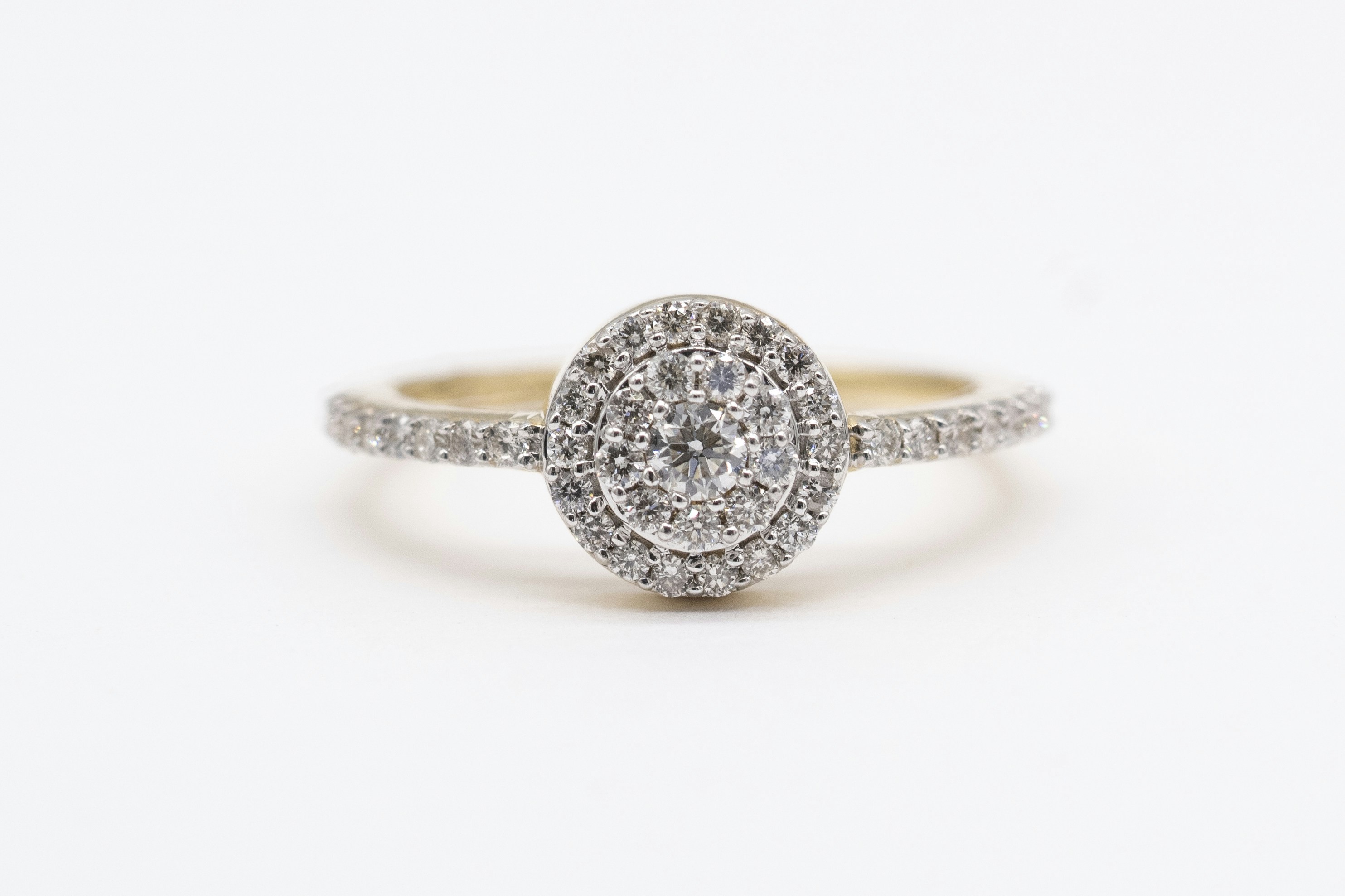
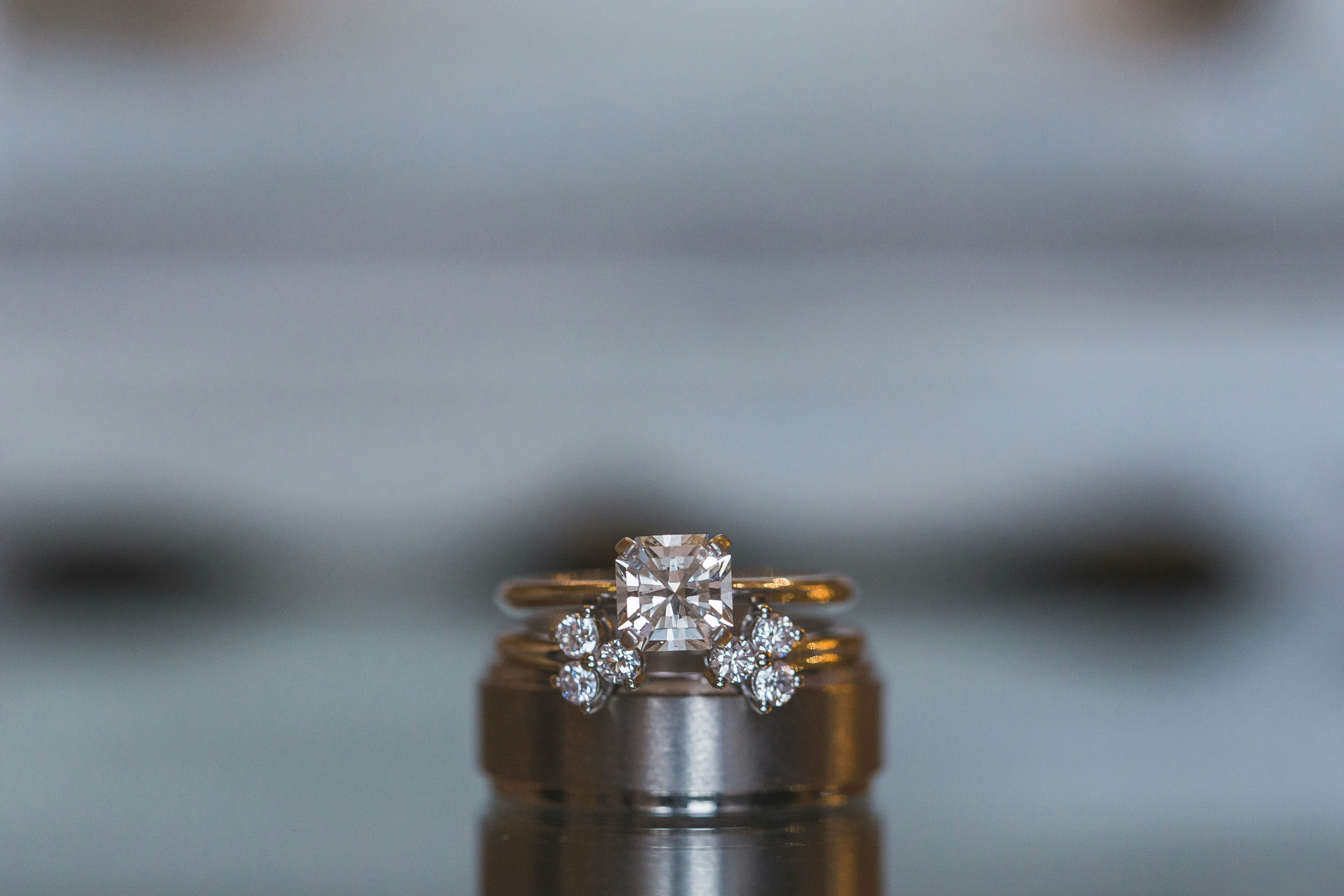
Customers seeking a unique ring can choose from popular designs such as round, princess, oval, and emerald cuts. Additionally, they can opt for modifications like halo settings or intricate band designs that incorporate additional gemstones or unique engraving. This flexibility enables individuals to curate a ring that truly reflects their personal style and preference.
Furthermore, the process of customization often includes selecting the metal type for the band. Options range from classic yellow gold to modern rose gold and white gold, as well as more contemporary materials like platinum or alternative metals. Choosing the right metal not only complements the lab grown diamond but also aligns with the wearer’s lifestyle and taste.
Many jewelers offer online customization tools, allowing customers to visualize their designs by mixing and matching different elements in real-time. This interactive aspect of shopping for a lab grown diamond engagement ring enhances the experience, making it engaging and personal. Additionally, some retailers even provide custom sketches and 3D models, which help customers get a tangible sense of how their artistic vision will materialize.
In a world where individuality is highly valued, the customizable nature of lab grown diamond engagement rings stands out. Whether opting for a minimalist style or an elaborate design, customers can explore endless variations to create a ring tailored to their unique narrative.
Where to Buy Lab Grown Diamond Engagement Rings
In recent years, lab grown diamond engagement rings have surged in popularity. As a result, a variety of retailers and online platforms have emerged, offering these exquisite alternatives to natural diamonds. When searching for a suitable lab grown diamond ring, it is essential to know where to shop and how to identify reputable sellers.
Leading retailers in the jewelry market, such as James Allen, Blue Nile, and Brilliant Earth, are among the most recognized names for purchasing lab grown diamonds. These platforms provide a wide selection of engagement rings, along with detailed specifications for each stone, ensuring that customers make informed decisions. These websites not only offer quality products but also feature customer reviews, which can serve as invaluable insight when selecting a seller.
Purchasing lab grown diamonds online can be a daunting endeavor; however, there are tips to ensure a smooth buying experience. First, look for sellers who provide certification for their diamonds. Certifications from recognized gemological laboratories, such as the Gemological Institute of America (GIA) or the International Gemological Institute (IGI), validate the quality and characteristics of the diamond, including its cut, color, clarity, and carat weight.
Additionally, examine the return and warranty policies of the retailer. A trustworthy seller should offer a reasonable return window, allowing buyers to feel secure in their purchase. Customer service is another essential aspect; a reliable seller will have accessible channels for inquiries and support, helping you throughout the purchasing process.
Finally, consider the option of visiting physical stores if available. Many jewelers now stock lab grown diamonds, providing an opportunity to see the stones in person before making a decision. This direct interaction can enhance your confidence in the quality and craftsmanship of the engagement ring.
Frequently Asked Questions (FAQs) about Lab Grown Diamonds
Lab grown diamonds, also known as synthetic or cultured diamonds, have gained immense popularity in the jewelry market. However, potential buyers often have several questions regarding their authenticity, value, and origin. Below, we address some of the most common inquiries consumers have about these diamonds.
Are lab grown diamonds real diamonds? Yes, lab grown diamonds are real diamonds. They possess the same physical, chemical, and optical properties as natural diamonds. Both types of diamonds are made of carbon atoms arranged in a crystal structure. The only distinction lies in their origin: lab grown diamonds are manufactured in controlled environments, while natural diamonds are formed over millions of years deep within the Earth.
Are lab grown diamonds more affordable? Generally, lab grown diamonds are significantly more affordable compared to their natural counterparts. The cost savings can range from 20% to 40%, depending on the quality and carat size. This price difference is primarily due to the scientific process involved in creating lab diamonds, which requires less time and resources compared to the natural formation of diamonds.
Do lab grown diamonds hold their value? Yes, lab grown diamonds do hold value, but not in the same way that natural diamonds do. While they can provide a strong resale value, it is essential to note that lab grown diamonds typically depreciate more quickly due to market saturation. This aspect is vital to consider for consumers who view their purchase as an investment.
Are there ethical concerns surrounding lab grown diamonds? Lab grown diamonds are often viewed as a more ethical choice compared to mined diamonds. As they are created in lab conditions, concerns related to conflict diamonds and unethical mining practices are minimized. Consumers looking for sustainable options may find lab grown diamonds to be a more appealing choice.
In conclusion, understanding the nuances of lab grown diamonds can help consumers make informed decisions. Addressing these FAQs can demystify lab grown diamonds and encourage buyers to explore this innovative option for engagement rings and other fine jewelry.
Conclusion and Final Thoughts
As we conclude our exploration of lab grown diamond engagement rings, it is essential to reflect on the key points discussed. The debate surrounding lab grown diamonds versus natural diamonds hinges significantly on various factors, including environmental impact, ethical considerations, quality, and cost.
On one hand, lab grown diamonds present compelling advantages. They are often more affordable than their natural counterparts, allowing couples to purchase a larger or higher-quality stone within the same budget. Additionally, lab grown diamonds are produced in controlled environments, leading to minimal environmental disruption and no association with conflict mining, which aligns well with consumers increasingly prioritizing ethical sourcing.
However, there are considerations to bear in mind. Some traditionalists argue that lab grown diamonds lack the inherent uniqueness and rarity associated with natural diamonds. The potential for slight differences in emotional significance may also affect personal preferences. Moreover, while lab grown diamonds are chemically identical to natural diamonds, the perception of value in resale markets may differ, as many buyers still favor natural diamonds.
Ultimately, the decision to choose a lab grown diamond engagement ring should align with personal values, aesthetic preferences, and financial considerations. Couples should weigh the benefits against the drawbacks, considering their priorities in terms of sustainability, budget, and sentimental value.
In summary, lab grown diamonds offer an innovative and responsible alternative that is gaining popularity in the jewelry market. Couples looking for choices that reflect their values may find these diamonds align with their visions of love and commitment.