
Understanding the Diamond Quality: The 4 Cs
When selecting luxury diamond earrings, the quality of the diamonds is paramount. The four key characteristics that define a diamond’s quality are known as the 4 Cs: Cut, Color, Clarity, and Carat weight. Each of these factors significantly influences the diamond’s visual appeal, performance of light, and overall value.
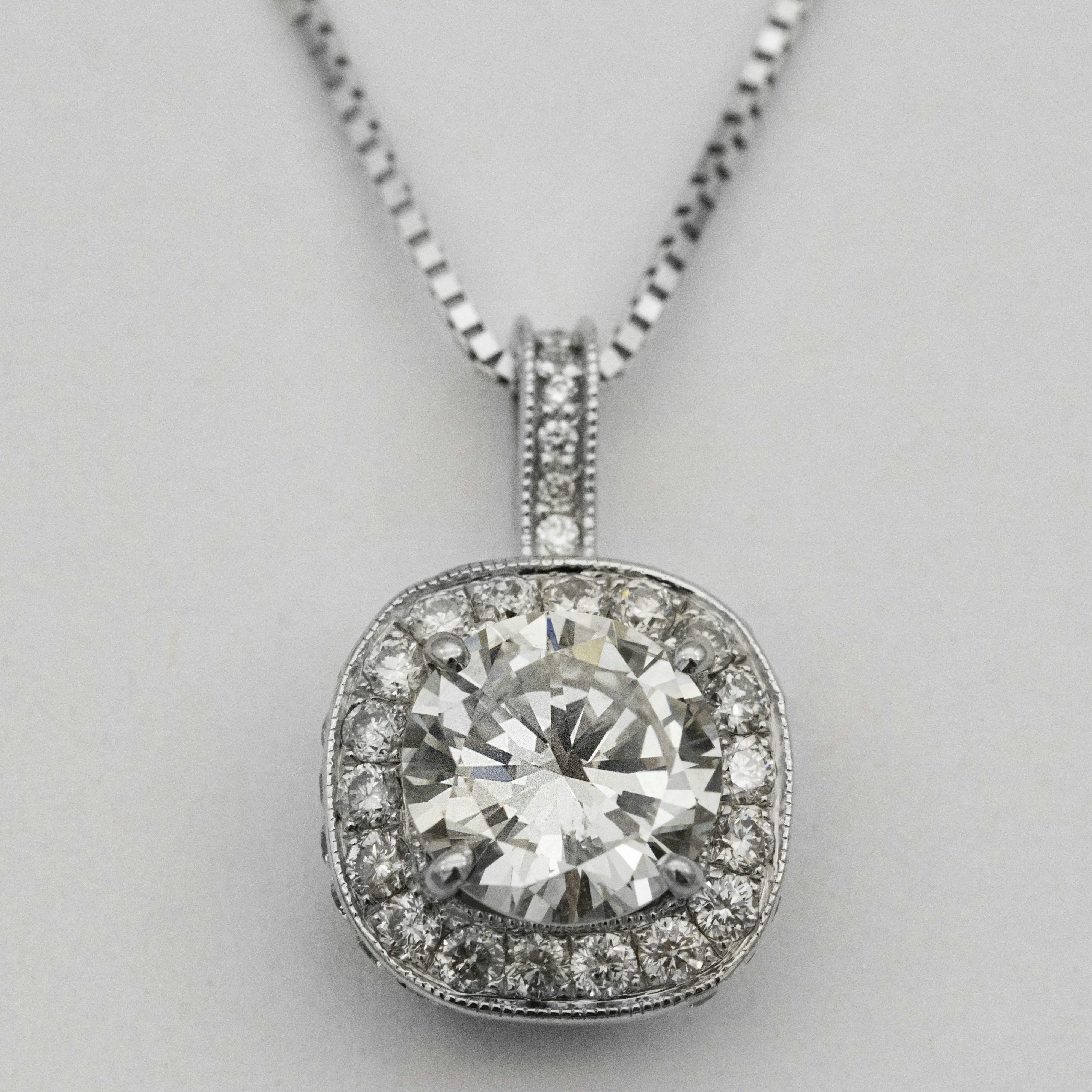
The Cut of a diamond refers to how well it has been shaped and faceted. A well-cut diamond reflects light beautifully, enhancing its sparkle, brilliance, and fire. The different types of cuts—ranging from round to princess, emerald, and more—produce varying effects on light performance. It is important to prioritize the cut when searching for diamond earrings, as even a high-quality stone can appear dull if poorly cut.
Color refers to the presence of colorlessness in diamonds. Diamonds are graded on a scale from D (colorless) to Z (light yellow). The more colorless a diamond is, the rarer it becomes, consequently elevating its value. For earrings that embody luxury, aim for diamonds that fall within the D to J range, as they possess a beautiful, white appearance.
Clarity indicates the presence of blemishes and inclusions. The clarity scale ranges from Flawless (no inclusions visible under 10x magnification) to Included (inclusions visible to the naked eye). Clarity affects the diamond’s overall appearance; therefore, opt for diamonds that have at least VS (Very Slightly Included) clarity or higher for earrings.
Lastly, Carat weight measures the size of the diamond. Larger diamonds are often more desirable and expensive, but their quality should never be compromised. A diamond’s carat should complement the other Cs, ensuring that the chosen piece maintains a stunning and luxurious quality.
Choosing the Right Setting for Your Diamond Earrings
When selecting diamond earrings, the importance of the setting cannot be overstated. The setting refers to how the diamond is secured within the earring design and plays a crucial role in showcasing the diamond’s brilliance while also impacting its protection and overall aesthetic appeal.
One popular choice is the prong setting, which uses small metal claws to hold the diamond securely in place. This setting allows maximum light to enter the diamond, enhancing its sparkle and brilliance. However, because of the exposed nature of the stone, prong settings can increase the risk of chipping or losing the diamond if not properly maintained. This type of setting works well for those who prioritize shine and visibility in their jewelry.
Another common setting is the bezel setting, where the diamond is surrounded by a metal rim. This design provides a sleek and modern look while offering superior protection for the diamond. The bezel setting minimizes the likelihood of damage to the stone but can slightly limit the amount of light that enters the diamond, potentially affecting its brilliance. For individuals seeking durability combined with a contemporary aesthetic, the bezel option is ideal.
Pave settings feature small diamonds set closely together with minimal metal visibility. This style creates a continuous sparkle effect, enhancing the overall glamour of the earrings. While the pave setting provides a rich visual impact, it may require more frequent maintenance due to the number of small stones and intricate design. It is a perfect choice for those who love intricate and eye-catching jewelry.
Ultimately, matching the earring setting with personal style is essential. Consider your lifestyle, as well as your aesthetic preferences, when making a selection. Each setting type holds unique benefits and drawbacks, and recognizing these will help in choosing diamond earrings that not only last forever but also reflect your individuality.
Choosing the Right Style for Various Occasions
When it comes to selecting diamond earrings, understanding the different styles available is crucial for ensuring they complement your outfit and the occasion. The three main types of diamond earrings are studs, drop earrings, and hoops, each lending itself to specific occasions and personal tastes.
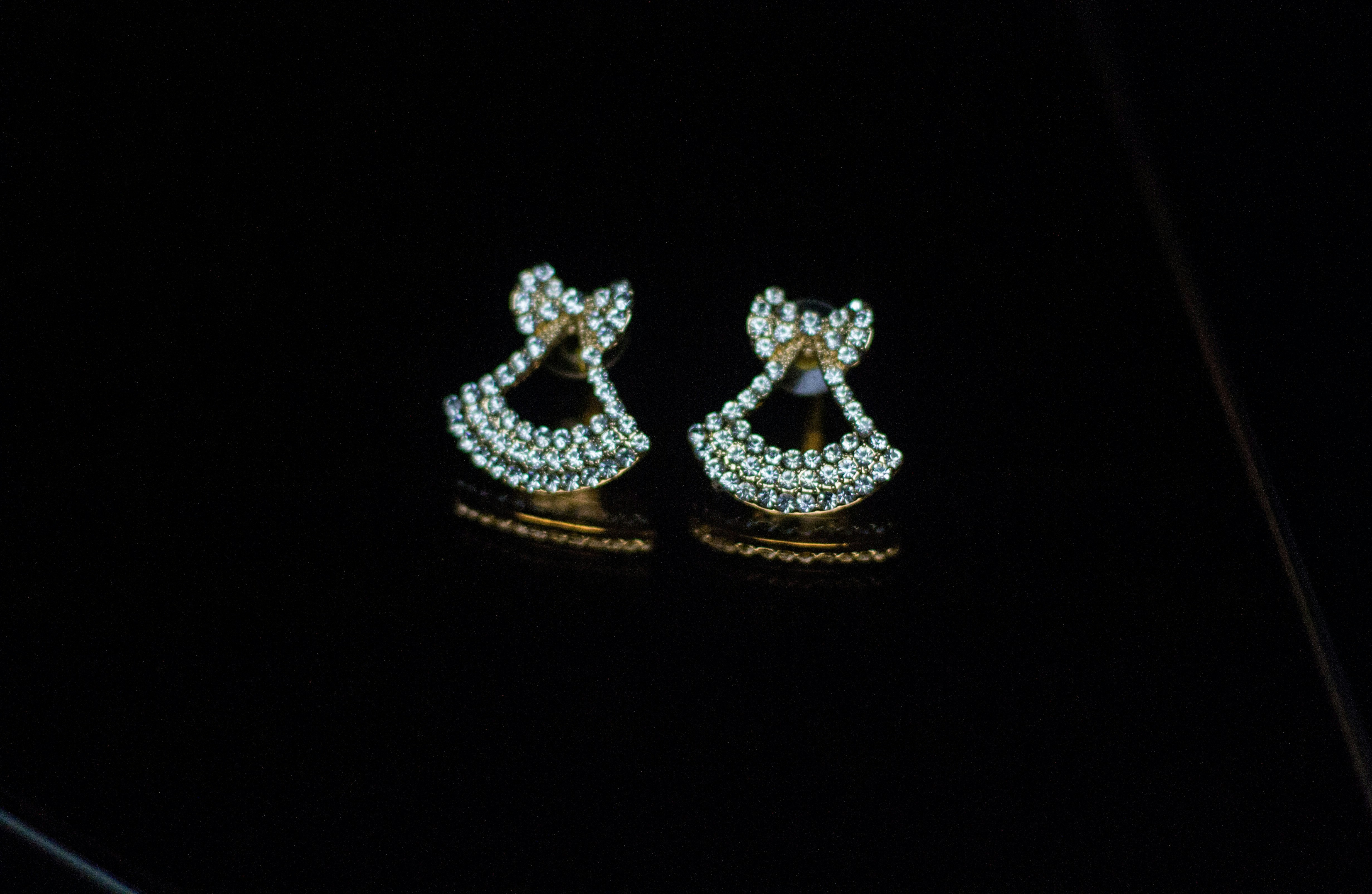
Diamond stud earrings are perhaps the most versatile option available. They feature a single diamond secured into a backing, providing a classic and understated look. Ideal for formal events, such as weddings or galas, stud earrings can also transition seamlessly into casual wear. Their simplicity often makes them suitable for everyday use, providing a touch of elegance without being overly flamboyant.
Drop earrings, on the other hand, offer a more elaborate design. They typically hang below the earlobe and can come in a variety of shapes and lengths. These earrings tend to bring a sense of sophistication and are perfect for more formal occasions, where they can stand out without overshadowing an outfit. A well-crafted pair of diamond drop earrings can truly elevate an evening gown or a stylish cocktail dress.
Hoop earrings, characterized by their circular or semi-circular designs, offer a different aesthetic altogether. Available in various sizes, from small and subtle to large and ornate, diamond hoops can be worn both casually and on special occasions. Small diamond hoops can enhance everyday outfits, while larger versions can provide a statement look for evening wear. The versatility of hoop earrings makes them a popular choice for those who want to showcase their personality while enjoying the elegance of diamonds.
In conclusion, when selecting diamond earrings, it is essential to consider both the style and the occasion. Each type—studs, drops, and hoops—offers unique advantages that make them appropriate for different settings. By understanding these different styles, you can select earrings that not only fit seamlessly into your wardrobe but also enhance your individuality and elegance at various events.
Understanding Diamond Earring Certification
When investing in diamond earrings, one of the most critical factors to consider is diamond certification. This certification is issued by reputable grading laboratories, such as the Gemological Institute of America (GIA) or the International Gemological Institute (IGI). These institutions analyze and evaluate diamonds based on several criteria, which are often termed the “Four Cs”: carat weight, cut, color, and clarity. Understanding these aspects, as outlined in the certification documentation, is crucial for determining a diamond’s quality and, ultimately, its value.
The certification document provides an objective assessment of the diamond’s characteristics. For instance, the carat weight indicates the size of the diamond, while the cut refers to how well it has been shaped and polished, affecting its brilliance. Color grading evaluates the lack of color in a diamond, with a completely colorless stone considered most desirable. Finally, clarity assesses the presence of inclusions or blemishes that may affect the diamond’s visual appeal. Each of these factors significantly impacts the perceived quality and, therefore, the price of diamond earrings.
Moreover, it is important to ensure that the certification is authentic and that it comes from a reputable grading laboratory. There are unfortunately fraudulent certifications in the market, which can mislead buyers regarding the quality of a diamond. To verify the authenticity, consumers should cross-check the certification number on the document with the grading laboratory’s database. Additionally, familiarizing oneself with the specific grading scales used by different organizations can enhance the purchasing experience. Recognizing the significance of certification allows buyers to make informed decisions, ensuring they choose diamond earrings that not only shine beautifully but also retain their value over time.
Budgeting for Luxury: What to Expect When Buying Diamond Earrings
When it comes to purchasing diamond earrings, establishing a well-thought-out budget is essential to navigate the complexities of the jewelry market while ensuring you select pieces that offer both beauty and longevity. To begin, it is important to understand that diamond prices can vary significantly based on several factors such as the cut, carat weight, clarity, and color of the stone. Collectively known as the “Four Cs,” these characteristics directly influence the overall quality and price of diamonds.
A good starting point is to determine the amount you are willing to invest in your diamond earrings. Prices can range from a few hundred dollars to tens of thousands, making it crucial to set realistic expectations on what can be acquired within your budget. Consider exploring various retailers and comparing prices to identify competitive options without compromising on quality. Investing in reputable jewelers, whether online or in-store, can provide assurance through certifications that validate the quality of your chosen diamonds.
Additionally, consider the significance of buying near special occasions, as many jewelers often offer seasonal discounts or promotional sales that can provide significant savings. When budgeting, factor in the total cost which should include not only the diamond itself but also any accompanying metals, settings, and necessary aftercare services, such as cleaning or resizing, to make informed decisions.
Recognizing when to invest in high-quality pieces is also key. Often, well-crafted diamond earrings can appreciate in value over time, making them an excellent long-term investment. Prioritizing a purchase based on factors like potential heirloom value or a significant milestone can guide you in making a mindful choice. Remember, luxury does not always have to come at an exorbitant price, as careful planning and consideration can result in finding exquisite earrings that truly last a lifetime.
Maintenance Tips to Keep Your Diamond Earrings Sparkling
To ensure that your diamond earrings remain radiant and retain their exceptional beauty over time, adopting a systematic care routine is essential. Proper maintenance not only enhances their aesthetic appeal but also extends their lifespan. First and foremost, regular cleaning is fundamental to maintaining the earrings’ sparkle. It is advisable to clean your diamond earrings at least once every two weeks. This can be accomplished by creating a gentle solution using warm water and a mild dish detergent. Soaking the earrings for around 20 minutes allows dirt and oils to loosen, making it easier to clean with a soft toothbrush, paying special attention to the settings where dust may accumulate.
Following the cleaning process, be sure to rinse the earrings in clean water and dry them thoroughly with a soft, lint-free cloth. Avoid using paper towels or rough fabrics, as these can scratch the diamond or metal. For a deeper clean, professional cleaning services can be sought, especially if your earrings display signs of significant tarnishing or wear.
Equally important is the safe storage of your diamond earrings. Store them in a soft-lined jewelry box or a dedicated compartment that prevents them from rubbing against other pieces, which may lead to scratching. If your diamond earrings are particularly delicate or feature intricate designs, consider securing them in individual pouches. Furthermore, always handle earrings by the metal parts, minimizing the risk of transferring dirt or oils from your skin to the diamonds.
Regularly checking for loose settings or damage can prevent potential loss of stones. If you notice any issues, seek professional help promptly to address them. By adhering to these maintenance tips, your diamond earrings will not only remain captivating but also stand the test of time.
How to Spot Quality Craftsmanship in Diamond Earrings
When purchasing diamond earrings, recognizing quality craftsmanship is vital to ensure your investment stands the test of time. To begin with, one of the most critical factors to consider is the quality of the metal used in the earrings. High-quality metals such as 14K or 18K gold, platinum, and sterling silver boast durability and resistance to tarnishing, making them ideal for enduring daily wear. Always check for the appropriate metal stamps, which indicate the purity and authenticity of the material.
The finishing details of diamond earrings significantly contribute to their overall craftsmanship. Carefully examine the settings of the diamonds; they should be securely mounted and exhibit exacting precision. A well-crafted earring will feature a smooth finish, with no visible seams or irregularities. Check whether the diamond is set evenly and whether the prongs or bezels are uniform and neatly aligned. The clarity of the settings not only enhances the aesthetic appeal but also reflects the skill involved in creating the piece.
Furthermore, the overall construction of the diamond earrings matters. Quality earrings will feel substantial yet comfortable, striking a balance between elegance and sturdiness. Pay attention to the weight of the earrings; lightweight designs may indicate inferior craftsmanship. Additionally, look for the alignment of different components, ensuring that they sit evenly and do not wobble. Good craftsmanship often manifests in thoughtful design choices, such as smooth edges, secure hinges, and seamless integration of components.
In summary, understanding these factors—metal quality, finishing details, and overall construction—will empower you to identify well-crafted diamond earrings. This knowledge is essential for making informed purchasing decisions, ensuring that your luxury earrings will last for generations to come.
Exploring Ethical and Sustainable Diamond Options
The diamond industry has faced significant scrutiny over the years due to concerns surrounding the ethical sourcing and environmental impact of natural diamonds. As consumers become more conscious of their purchasing decisions, there is a growing demand for ethically sourced diamonds that align with sustainable practices. This shift is leading to a more transparent industry where consumers can choose options that reflect their values.
One of the most notable alternatives to traditional mined diamonds is lab-grown diamonds. These diamonds are created in controlled environments using advanced technology that replicates the natural diamond formation process. Lab-grown diamonds exhibit the same physical, chemical, and optical properties as mined diamonds, making them a compelling option for those looking for luxury with a conscience. Additionally, lab-grown diamonds are often more affordable than their mined counterparts, allowing consumers to maximize their investment.
Another option in the realm of ethical diamonds is conflict-free diamonds. These are sourced from mines that adhere to the Kimberley Process, which aims to prevent the trade of diamonds that finance violence and war. When purchasing conflict-free diamonds, buyers can take comfort in knowing their jewels have not contributed to human suffering or environmental degradation. Many reputable jewelers now provide certification for their diamonds, ensuring consumers that their purchases support ethical practices.
As trends move toward greater transparency in the diamond industry, consumers are empowered to select earrings that not only possess exceptional beauty but also resonate with their ethical beliefs. When investing in luxury, it is essential to consider the source of diamonds and to choose options that promote sustainability and ethical practices, ensuring that every purchase contributes positively to society and the environment.
Final Thoughts: Investing in Timeless Diamond Earrings
Diamond earrings are not merely accessories; they are cherished pieces that can signify milestones and memories throughout one’s life. As we consider the process of selecting luxury earrings, it becomes evident that the choice extends beyond mere aesthetics to encompass both emotional and financial investment. The inherent value of diamonds, coupled with their timeless elegance, renders them suitable for any occasion, making them a preferred option for discerning buyers.
When choosing diamond earrings, it is vital to prioritize quality over quantity. Opting for classic designs ensures that your earrings remain fashionable despite evolving trends. Timeless styles, such as solitaires or subtle stud earrings, can seamlessly integrate into various outfits, providing versatility for both casual and formal attire. These styles are not only appealing but are also less likely to be discarded as fashion evolves.
This notion of durability extends beyond style, encompassing the longevity of the craftsmanship. High-quality diamond earrings, when properly cared for, can last a lifetime and even be passed down through generations. This aspect solidifies the earrings as a sentimental piece that retains intrinsic worth. As such, it is prudent to view this purchase as an enduring investment rather than a fleeting trend.
Moreover, the emotional connection associated with diamond earrings enhances their significance. They often mark life’s special moments, from engagements to anniversaries, becoming symbols of love and commitment. Therefore, investing in a pair of timeless diamond earrings is an endeavor that reflects both personal taste and an understanding of lasting beauty.
In conclusion, selecting luxury diamond earrings requires thoughtful consideration of both emotional attachment and long-term value. By focusing on timeless designs, individuals can acquire pieces that not only enhance their style but also serve as treasured heirlooms for future generations.