
Understanding Diamond Bracelets
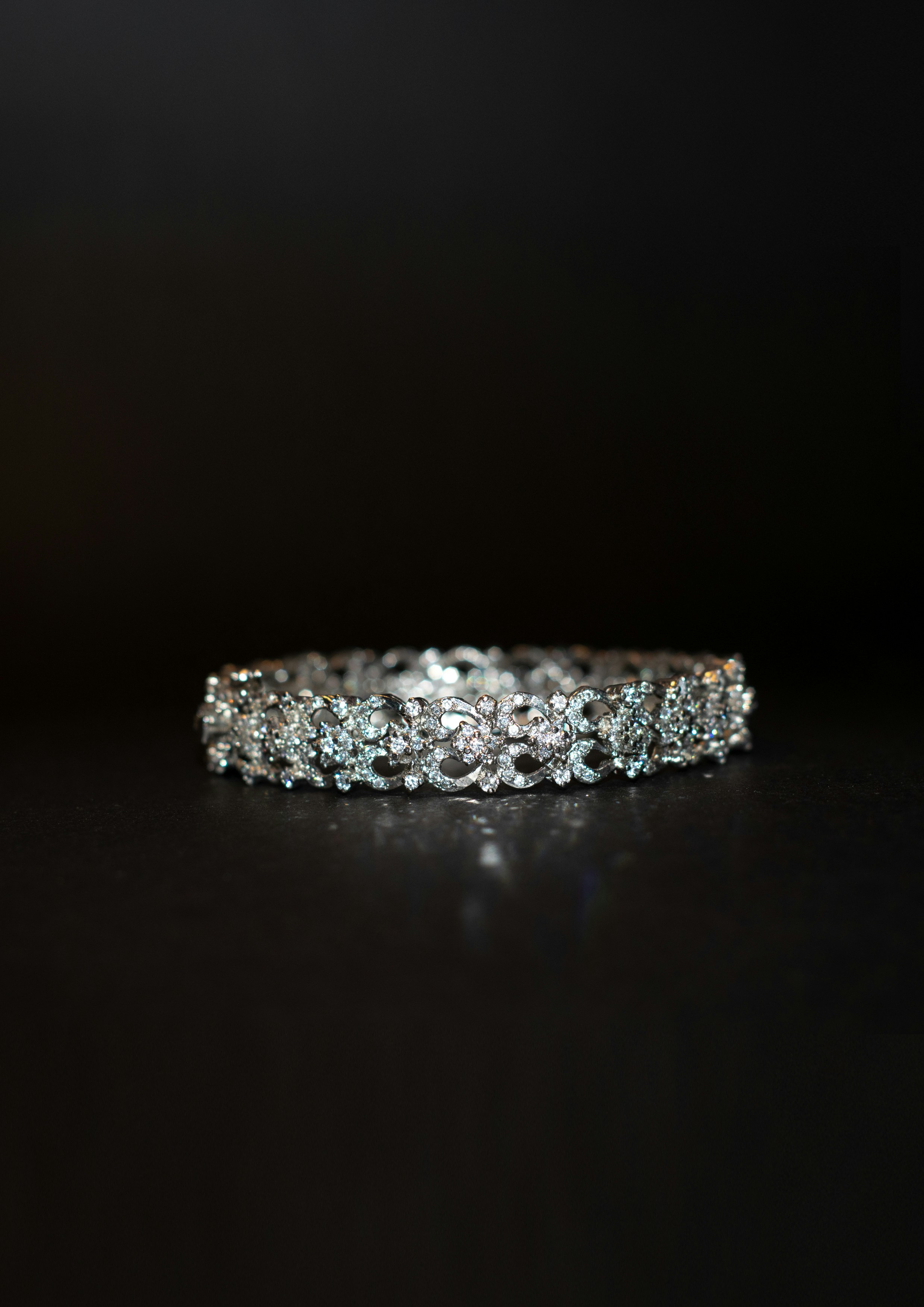
Diamond bracelets are elegant pieces of jewelry that typically feature diamonds set in a variety of styles, enhancing both their beauty and value. Historically, bracelets have been worn for centuries, originating from ancient civilizations where they were often made from materials like gold, silver, and precious stones. The incorporation of diamonds into bracelets began in the 18th century, a fashion that has only grown in popularity over time.
Among the various designs of diamond bracelets, one of the most recognized is the tennis bracelet. This style consists of a flexible band of diamonds that are individually set, providing a dazzling and continuous shimmer around the wrist. The name “tennis bracelet” became popular in the 1980s when professional tennis player Chris Evert lost her bracelet during a match, leading to an iconic moment in sports history. This design is favored for its timeless elegance and versatility, making it suitable for both formal and casual occasions.
Another popular style is the diamond bangle bracelet, which is more rigid and typically worn in multiples for a bolder statement. Bangles can be plain or adorned with diamonds and come in various thicknesses and designs to suit personal preferences. They are often associated with cultural traditions in many countries, symbolizing wealth and celebration.
In contemporary fashion, diamond bracelets are highly sought after for their ability to complement any outfit, whether it’s for an everyday wear or special events. With advancements in jewelry design and craftsmanship, diamond bracelets now possess a wide range of options in terms of styles, settings, and diamond shapes, making it essential for buyers to understand the unique features of each to select the perfect piece for themselves or their loved ones.
Types of Diamond Bracelets
When it comes to selecting a diamond bracelet, understanding the various types available can significantly impact your choice. Each style of diamond bracelet is unique in design, allowing for different expressions of sophistication and luxury. The most popular types include tennis bracelets, cuff bracelets, and charm bracelets.
The tennis bracelet is renowned for its elegant design, featuring a single row of meticulously set diamonds. This style gained popularity in the late 1970s when professional tennis player Chris Evert famously lost her diamond bracelet during a match. This incident sparked a trend, leading to the widespread appreciation of this bracelet style. Typically, tennis bracelets are crafted in a flexible setting that allows for comfortable wear while maintaining a continuous sparkle. They work well for both casual and formal occasions, making them a versatile addition to any jewelry collection.
Cuff bracelets, on the other hand, are characterized by their open-ended design, which often features one or more diamonds set at the ends or along the band. This style exudes a bold and contemporary feel, often favored by those who want to make a statement. Cuff bracelets can be crafted from a variety of metals, such as gold or silver, and are available in both minimalist and ornate designs. The flexible fit ensures comfort, while the distinct look ensures that it stands out in any setting.
The charm bracelet incorporates a more personal touch, allowing wearers to add customized charms, including those adorned with diamonds. Each charm can represent special memories or milestones, making these bracelets highly sentimental pieces. The integration of diamonds into the charms elevates the overall glamour, ensuring that the charm bracelet can be both a statement piece and a meaningful accessory.
In conclusion, the selection of a diamond bracelet should reflect personal style and occasion. Understanding the distinctions among tennis bracelets, cuff bracelets, and charm bracelets empowers buyers to choose the perfect piece that aligns with their aesthetic preferences and lifestyle demands.
Choosing the Right Design
When selecting a diamond bracelet, understanding personal style and the occasion is essential in determining the best design. One of the first factors to consider is the type of metal used in the bracelet, as it significantly influences its appearance and compatibility with existing jewelry. Popular options include gold, silver, and platinum, each of which provides a distinct aesthetic. Gold can evoke a classic touch with options in yellow, white, or rose tones, while silver offers a sleek, contemporary look. Platinum, being more durable, adds a luxury touch that may appeal to buyers looking for enduring quality.
The shape of the diamonds set in the bracelet is another crucial decision point. Round diamonds offer timeless elegance, while princess-cut diamonds present a modern flair. Emerald-cut diamonds provide a vintage charm with their unique facets, appealing to those with a penchant for classic designs. Understanding these distinctions helps narrow down choices to what resonates best with the wearer’s preferences.
Quality is equally important in assessing a diamond bracelet’s design. When evaluating the quality of the diamonds, consider the four Cs: cut, color, clarity, and carat weight. A well-cut diamond exhibits brilliance and fire, adding to the overall glamor of the bracelet. The color should ideally be as colorless as possible, although those with subtle hues can also be appealing depending on personal taste. Clarity, which refers to the presence of inclusions or blemishes, plays a significant role in the overall value and appearance of each diamond. Finally, the carat weight impacts size and presence, factoring into both the aesthetic appeal and pricing. By balancing these considerations, one can make an informed choice that aligns with individual style and occasion, ensuring a diamond bracelet that is cherished for years to come.
Understanding Diamond Quality: The 4 Cs
When purchasing a diamond bracelet, understanding the intricacies of diamond quality is critical. The industry-standard framework for evaluating diamonds is known as the 4 Cs: Cut, Color, Clarity, and Carat Weight. Each of these elements plays a significant role in determining not only the diamond’s beauty and appeal but also its market value.
Cut refers to how well a diamond has been shaped and faceted. This characteristic greatly influences the diamond’s overall brilliance and sparkle. A well-cut diamond reflects light effectively, creating a stunning visual impact, while a poorly cut stone may appear dull or lifeless. Evaluating the cut involves looking at various factors, including proportion, symmetry, and polish, which collectively dictate how light interacts with the stone.
The Color grade assesses the presence of color in a diamond, with completely colorless stones being the most prized. The GIA (Gemological Institute of America) color scale ranges from D (colorless) to Z (light yellow or brown). It is essential to choose a diamond with minimal color if one seeks to maximize brilliance.
Clarity measures the presence of inclusions or blemishes within the diamond. Gems are graded from Flawless (no inclusions or blemishes visible under 10x magnification) to Included (inclusions visible to the naked eye). Diamonds with a higher clarity grade often command higher prices due to their rarity and aesthetic appeal.
Finally, Carat Weight signifies the size of the diamond. One carat equals 200 milligrams. It’s a common misconception that larger stones are always the best choice; however, the combination of all four Cs — Cut, Color, Clarity, and Carat Weight — will ultimately determine the ideal diamond for your bracelet. A balance of these factors allows for a thoughtful purchase, ensuring the buyer’s investment reflects their personal tastes and budget.
Setting a Budget for Your Purchase
When embarking on the journey of purchasing a diamond bracelet, it is crucial to establish a realistic budget that aligns with your financial situation and preferences. Diamond bracelets are available in a wide range of prices, influenced by factors such as design, materials, and the quality of diamonds used. Understanding these variables will aid in making an informed decision while maximizing value for your investment.
Typically, diamond bracelets can range from a few hundred to several thousand dollars. Basic designs featuring smaller diamonds in simpler settings will generally fall at the lower end of the price spectrum. Conversely, bracelets adorned with larger diamonds or intricate designs can command a higher price. Additionally, the material used in the bracelet’s construction—whether gold, silver, or platinum—will impact the overall cost. Gold bracelets, especially those of higher karat weight, tend to be more expensive than their silver counterparts.
Quality of diamonds is another critical factor affecting the price of diamond bracelets. Assessing the clarity, cut, color, and carat weight—collectively known as the “Four Cs”—will provide clearer insight into the value of the diamond. Higher quality diamonds tend to increase the bracelet’s price significantly. To navigate the financial landscape effectively, consider setting a budget that includes a range of potential prices, allowing for flexibility as you explore various options.
Moreover, taking advantage of seasonal sales, discounts, and promotions can lead to costs savings without compromising on quality. Engaging with reputable retailers who offer warranties or guarantees on their products can also provide peace of mind when making your purchase. By thoughtfully setting a budget and remaining open to alternatives, you can find a beautiful diamond bracelet that fits your financial parameters and personal style.
Where to Buy Diamond Bracelets
When considering where to purchase diamond bracelets, consumers have several options, each with its unique advantages and disadvantages. The three primary purchasing avenues include online retailers, local jewelers, and high-end boutiques. Understanding the nuances of each option can facilitate a more informed decision.
Online retailers are rapidly gaining popularity due to their convenience and expansive selection. Websites like Blue Nile, James Allen, and Etsy offer a plethora of diamond bracelet designs at competitive prices. Shoppers can easily compare features, styles, and prices from the comfort of their homes. However, while online shopping provides an extensive catalog, it raises concerns regarding the tactile experience; consumers cannot inspect the quality of the jewelry firsthand. Additionally, return policies vary significantly among retailers, making it crucial to review their terms carefully before purchase.
Another avenue to consider is local jewelers. By opting for brick-and-mortar stores, customers can receive personalized service and the opportunity to view and try on pieces. Local jewelers may provide unique designs and custom options that are not available online. Furthermore, building a rapport with a local jeweler can result in invaluable advice and post-purchase services. However, local jewelers may have higher prices due to overhead costs, which can affect the overall purchasing experience.
High-end boutiques represent an elite option for those seeking luxury diamond bracelets. These establishments typically offer exquisite designs from reputed designers and secure sourcing of their diamonds, ensuring high-quality products. Although the prices at high-end boutiques are generally higher, the ambiance and customer service may compensate for this increased cost. It is, however, essential to research the reputation of these boutiques, as not all offer the same level of service or product quality.
Caring for your diamond bracelet is essential not only for maintaining its aesthetic appeal but also for ensuring its longevity. Diamonds are among the hardest naturally occurring materials, yet the settings and metal components of your bracelet can be susceptible to damage and dirt accumulation. Therefore, a regular maintenance routine is crucial.
To keep your diamond bracelet sparkling, cleaning should be performed at least once a month. You can use a gentle solution of warm water and mild dish soap. Soak the bracelet for around 30 minutes and then gently scrub it with a soft-bristled toothbrush to remove any accumulated grime. Rinse the bracelet thoroughly under running water and dry it using a soft, lint-free cloth. Avoid using abrasive cleaners, as they can scratch the surface of both the diamonds and the metal.
When it comes to storage, always keep your diamond bracelet in a soft pouch or a dedicated jewelry box. This prevents scratches from other jewelry pieces and maintains the bracelet’s luxurious appearance. Be mindful of extreme temperatures and humidity; fluctuations can affect the metal settings and the overall integrity of the bracelet. It is advisable to store the bracelet away from direct sunlight as UV rays can cause damage to some materials.
Handling potential damages is equally important. If you notice a loose diamond or any sign of wear on the bracelet, it is crucial to seek professional assistance immediately. Regular inspections by a jeweler can help identify any issues before they become serious problems. Proper maintenance not only preserves the beauty of your diamond bracelet but also protects your investment.
Trends in Diamond Bracelets
The realm of jewelry has always been dynamic, and diamond bracelets currently offer a plethora of trendy designs that reflect modern aesthetics and personal expression. One outstanding trend is the resurgence of vintage style, with many consumers gravitating towards art deco or retro-inspired pieces. These designs often feature intricate settings and unique geometric patterns, which serve as a tribute to a bygone era while remaining relevant in contemporary fashion.
Another notable trend involves the mixing of materials. Many designers are combining diamond bracelets with other elements such as leather, gold, or silver. This fusion allows for varied textures and finishes, appealing to those who desire a more personalized accessory. For instance, leather bands adorned with scattered diamonds create an edgy yet sophisticated look, perfect for casual outings or formal events alike.
Color combinations are also gaining traction in the world of diamond bracelets. While traditional colorless diamonds remain a favorite, colored diamonds, such as pink, blue, and champagne, have become increasingly popular. These colored variations make for striking contrasts and can easily complement existing jewelry collections. Additionally, bracelets that incorporate a blend of multi-colored stones alongside diamonds provide an eye-catching and fashionable accessory.
Moreover, the rise of sustainable and ethical jewelry is shaping consumer choices. Many buyers are now looking for ethically sourced diamonds or lab-created alternatives. Bracelets featuring recycled materials and conflict-free stones not only serve as an expression of personal style but also reflect a commitment to social stewardship.
Incorporating these trendy elements allows individuals to enhance their personal style while embracing modernity in their jewelry choices. Whether one opts for the timeless elegance of vintage design or the boldness of mixed materials, contemporary diamond bracelet trends offer something for everyone.
Conclusion: Making an Informed Decision
Deciding on the perfect diamond bracelet is a significant choice, one that requires careful thought and consideration. Throughout this guide, we have emphasized the importance of understanding various designs, price ranges, and the quality of diamonds used in bracelet making. A diamond bracelet is not merely a piece of jewelry; it can represent personal milestones, relationships, and individual styles.
As highlighted, it is essential for potential buyers to familiarize themselves with different styles, such as tennis bracelets, bangles, or charm bracelets, as each design can convey a unique essence. Additionally, comprehension of the pricing structure—taking into account factors such as the carat weight, quality of the diamonds, and the type of metal used—will assist buyers in aligning their choices with their budgets. By being well-informed, one can navigate through the multitude of options available in the market.
Moreover, it is crucial to prioritize quality over price alone. The craftsmanship behind the bracelet, alongside the diamonds’ clarity and color, plays a vital role in the piece’s overall brilliance and value. Understanding these factors will enable buyers to make a more informed decision when selecting a diamond bracelet that truly reflects not only their aesthetic preferences but also their values.
Ultimately, we encourage readers to take their time during this selection process. A diamond bracelet is not just a purchase; it is an investment in personal expression. By weighing all the information provided in this guide, you should feel empowered to choose a bracelet that resonates with your individual identity and style, ensuring that it is a cherished piece for years to come.