
Understanding Loose Diamonds
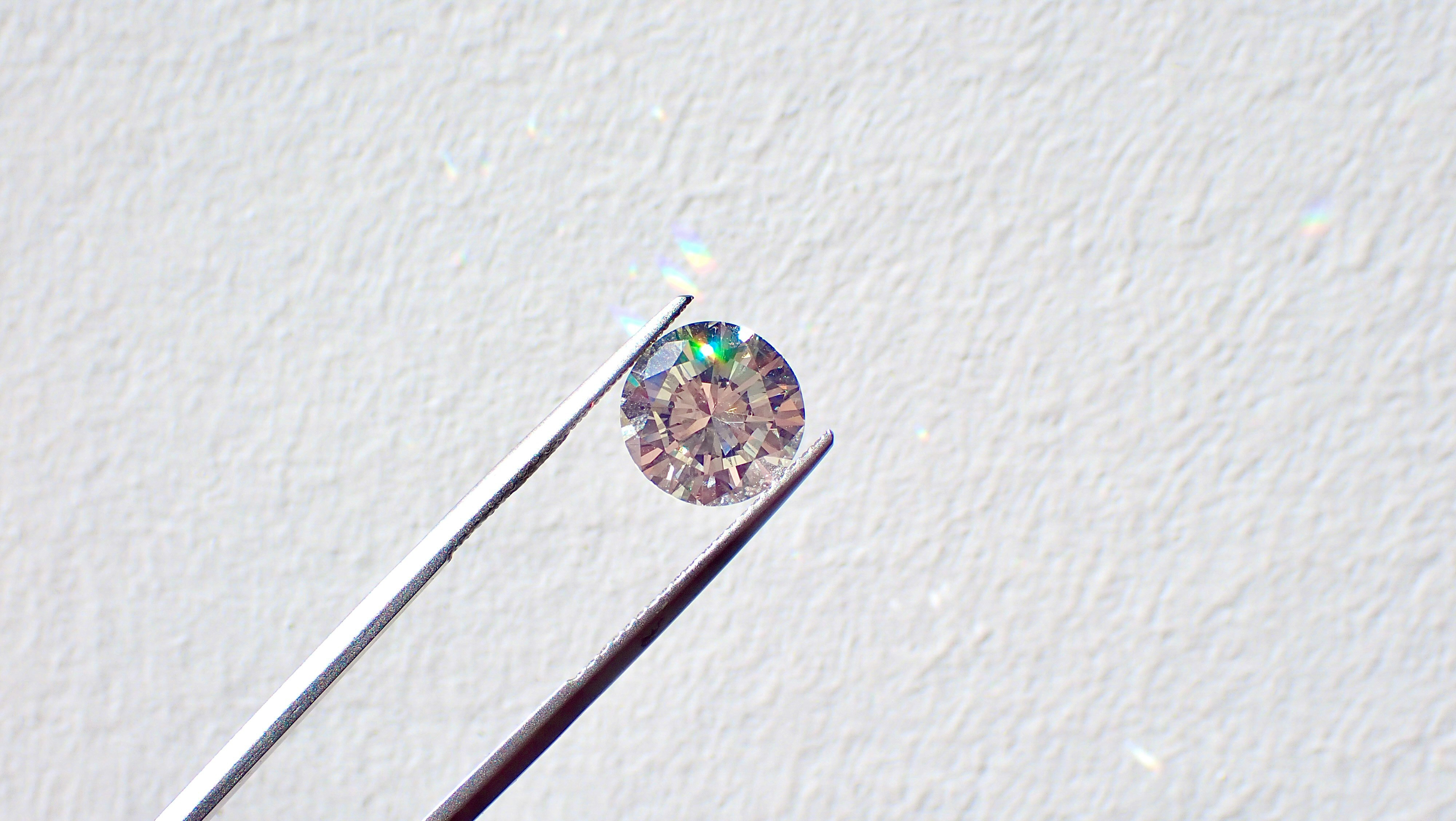
Loose diamonds refer to gemstones that are sold separately, not set in any type of jewelry. This allows buyers to have complete control over their selection, providing an opportunity to handpick a diamond that aligns with their personal taste and budget. In contrast to mounted or set diamonds, which are already incorporated into a piece of jewelry, loose diamonds offer a unique flexibility that can be particularly appealing for those looking to create custom or bespoke designs.
One of the primary benefits of purchasing loose diamonds is the vast array of choices available to buyers. With loose diamonds, individuals can consider various factors such as carat weight, cut, color, and clarity without the constraints of preset designs. This level of customization ensures that every aspect of the diamond is exactly as the buyer desires, contributing to a more personal connection with the gem.
Additionally, purchasing loose diamonds can be a financially advantageous decision. Often, loose diamonds can be more competitively priced than their mounted counterparts. This is largely due to the absence of the additional costs associated with setting the diamond into a piece of jewelry. Buyers can thus utilize the savings for higher quality stones or allocate the remaining budget toward a more intricate setting once they have chosen their loose diamond.
Moreover, many reputable diamond dealers provide comprehensive information about each loose diamond’s characteristics, allowing informed decision-making. Buyers can analyze the quality based on the renowned Four Cs: carat, cut, color, and clarity. This transparency can significantly enhance the overall purchasing experience, empowering buyers to make educated choices in a market that often feels overwhelming.
The 4 Cs of Diamonds
For anyone venturing into the realm of loose diamonds for sale, understanding the 4 Cs—Cut, Color, Clarity, and Carat weight—is essential. Each of these characteristics significantly impacts the diamond’s appearance and value, making them crucial for first-time buyers.
Cut refers to how well a diamond has been shaped and faceted. It is one of the most critical factors as it directly influences the diamond’s sparkle and brilliance. A well-cut diamond reflects light beautifully, while a poorly cut diamond may appear dull, regardless of its other qualities. Various grading scales assess cut quality, ranging from Excellent to Poor, based on the stone’s proportions, symmetry, and polish.
Color deals with the presence of trace elements within the diamond. Diamonds are graded on a scale from D (colorless) to Z (light yellow or brown). Generally, the less color a diamond has, the more valuable it becomes. However, subtle hints of color may also add character to certain diamonds, appealing to personal preferences.
Clarity involves the internal and external imperfections, known as inclusions and blemishes, respectively. Graded on a scale from Flawless (no inclusions visible under 10x magnification) to Included (inclusions visible to the naked eye), clarity affects how much light can pass through the diamond. A higher clarity grade often results in a more valuable stone.
Lastly, Carat weight represents the diamond’s size. One carat equals 200 milligrams. The carat weight is essential not only for size perception but also for its value, as larger diamonds are rarer and more sought after. However, it is crucial to remember that a diamond’s beauty also depends on the combined effect of the 4 Cs rather than carat weight alone.
Setting Your Budget
Establishing a budget is an essential first step when considering the purchase of loose diamonds. This process involves a careful assessment of your personal finances, ensuring that you can comfortably afford your selection without compromising your financial stability. The general advice suggests allocating a specific percentage of your annual income to purchasing a diamond, but personal circumstances will largely dictate the right approach. It’s critical to reflect on your overall budget, taking into account other financial commitments and savings goals.
The significance of investing in a high-quality diamond cannot be understated. A greater investment often translates to a more stunning gemstone that will endure through time. When determining how much to spend, consider the four Cs: cut, color, clarity, and carat weight. Each factor affects the value and appearance of the stone, influencing both the beauty of the diamond and its accompanying price tag. It is often wise to prioritize these qualities to ensure you are acquiring a diamond that delivers both aesthetic appeal and long-term value.
Additionally, exploring financing options can ease the burden of an upfront payment. Many retailers and jewelers offer various payment plans or installment options that can spread out the expense over time, allowing you to invest in a higher-quality piece without immediate financial strain. Understanding the terms and conditions of such plans is crucial, as hidden fees and interest rates can impact the total cost considerably.
In conclusion, setting a realistic budget for purchasing loose diamonds requires a thoughtful review of your finances and a commitment to making an informed investment. By carefully allocating your resources and exploring financing options, you can find a diamond that not only fits your budget but also exceeds your expectations in beauty and quality.
Where to Buy Loose Diamonds
When it comes to purchasing loose diamonds, potential buyers have several options available. Each choice has unique advantages and potential drawbacks that first-time buyers should consider carefully.
Online retailers have surged in popularity due to their convenience and often competitive prices. Platforms such as James Allen and Blue Nile offer a broad selection of loose diamonds, making it easy to compare quality, cut, and price from the comfort of one’s home. Moreover, many online retailers provide detailed certification information, allowing shoppers to verify the quality of the diamonds they intend to purchase. However, while buying online is convenient, prospective buyers may miss the chance to see the diamonds up close, which can be critical in assessing their true beauty and brilliance.
Local jewelers represent another viable option. Purchasing from a reputable jeweler can provide a personal touch, allowing customers to interact directly with a knowledgeable staff that can answer questions and offer customized services. Local jewelers may have limited inventory compared to online options, but they often provide a tactile experience, enabling customers to view the diamonds in person. Moreover, establishing a rapport with a local jeweler can lead to beneficial services, such as resizing or refurbishing, that online retailers may not offer. The downside is that local shops may have higher overhead costs, which can translate into higher prices.
Finally, attending auctions is an alternative route for those seeking unique loose diamonds. Auctions can yield exceptional deals, especially for those knowledgeable about the market. Yet, buyers should be cautious, as the environment can be competitive and intense, potentially leading to impulsive decisions. Additionally, it is essential to consider the fees associated with auctions, which can add to the total cost of the purchase.
Researching Dealers and Sellers
When it comes to purchasing loose diamonds, the selection of a reputable dealer or seller is a critical aspect that can significantly impact the quality of your investment. Before making a purchase, it is essential to conduct thorough research on potential dealers to ensure you are engaging with trustworthy entities. Begin by checking the credentials of the dealers. Look for memberships in professional organizations such as the Gemological Institute of America (GIA) or the American Gem Society (AGS), as these affiliations often indicate adherence to industry standards and ethical practices.
Moreover, reviews play a vital role in your decision-making process. Utilize online platforms to read customer feedback regarding their experiences with specific dealers. Pay attention to both positive and negative reviews, as they provide valuable insights into the reliability and quality of the service offered. Websites like Yelp or Google Reviews can serve as good starting points for gathering information. Additionally, consider seeking recommendations from friends or family members who have previously purchased diamonds, as personal experiences can often lead you to reputable sellers.
Another important aspect to investigate is the seller’s return policy and certifications. A reliable dealer will typically offer a reasonable return policy, allowing you peace of mind should the diamond not meet your expectations. Ensure that the diamond is certified by a recognized gemological laboratory, which provides an assessment of the diamond’s quality and authenticity. This certification serves as an assurance that you are purchasing a legitimate product.
In summary, due diligence in researching dealers and sellers is vital when buying loose diamonds. By verifying credentials, reviewing customer feedback, and confirming policies, you increase your chances of a trustworthy and satisfactory transaction.
Understanding Certification and Grading Reports
When purchasing loose diamonds, one of the most critical aspects to consider is the certification and grading reports provided by reputable organizations such as the Gemological Institute of America (GIA), American Gem Society (AGS), or European Gemological Laboratory (EGL). These reports serve as an essential tool for potential buyers, offering detailed insights into a diamond’s quality and characteristics.
Certification bodies evaluate loose diamonds based on various criteria, collectively known as the “Four Cs”: Cut, Color, Clarity, and Carat weight. Each characteristic is assigned a grade that reflects the diamond’s overall quality, a key factor influencing its market value. For example, a diamond with an excellent cut, high clarity, and a color grade near colorless typically commands a higher price than one considered average. As a first-time buyer, understanding these grades can significantly impact your purchasing decision and investment.
In addition to the Four Cs, a comprehensive grading report typically includes a plotted diagram of the diamond’s characteristics, identifying inclusions and blemishes. This visual representation assists buyers in assessing the diamond’s unique attributes. It’s also worth noting that the reputation of the certification body can influence buyer confidence; GIA and AGS are often regarded as the gold standards in diamond grading.
Moreover, a well-documented certificate accompanies the diamond, ensuring authenticity and providing peace of mind regarding the quality and value of the purchase. As such, it is essential to seek out diamonds that come with a valid certification and to scrutinize the grading reports carefully. This diligence ensures that buyers make informed decisions, safeguarding their investments in loose diamonds.
Choosing the Right Setting for Your Diamonds
When investing in loose diamonds, selecting an appropriate setting is as vital as the diamond itself. The setting not only secures the diamond but also significantly influences its overall aesthetic appeal and the wearer’s personal style. There are various styles to consider, each offering a unique way to showcase the beauty of the diamond.
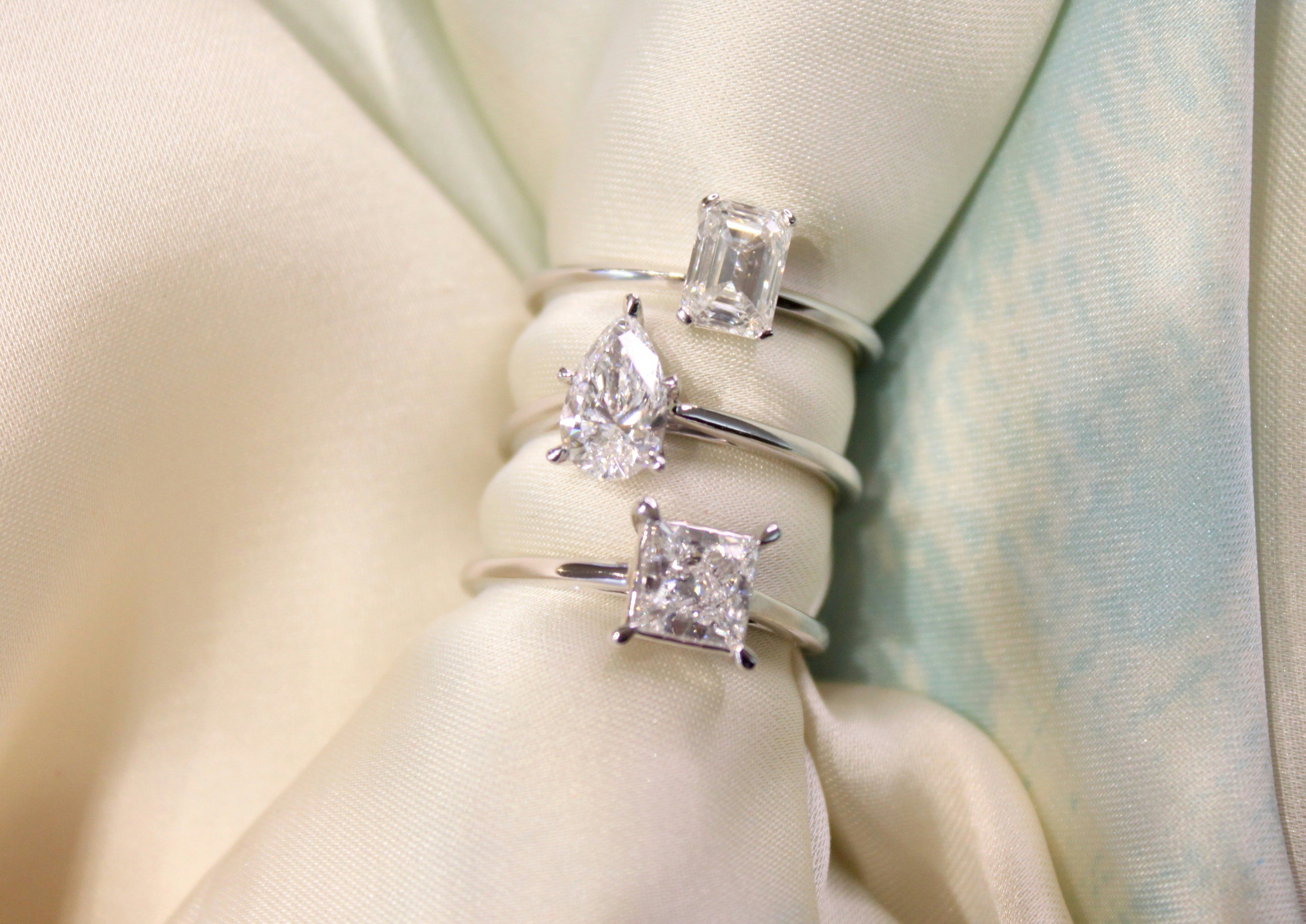
One of the most classic and popular styles is the solitaire setting. This timeless design emphasizes a single diamond by allowing it to be the focal point, making it an excellent choice for those who wish for simplicity and elegance. The solitaire setting works particularly well with larger, high-quality diamonds, allowing their brilliance to shine without distraction.
For those desiring a more intricate look, the halo setting is a notable option. This style encircles the central diamond with smaller pavé-set diamonds, enhancing the center stone’s sparkle and creating an illusion of greater size. The halo setting is perfect for buyers who want to maximize the overall shimmer and draw attention to the center diamond, while also reflecting their taste for flamboyance.
Additionally, the three-stone setting is a compelling option, symbolizing the past, present, and future. This design features a central diamond flanked by two smaller stones, offering not only balance but also a distinctive narrative element. Buyers looking for meaning in their jewelry may find this setting particularly appealing.
Ultimately, when choosing a setting for loose diamonds, consider both the diamond’s characteristics and your personal style. The right setting will not only enhance the diamond’s beauty but also resonate with your individual taste, making the piece truly personal and unique.
Sealing the Deal: Tips for Negotiating the Price
When entering the world of loose diamonds for sale, effective negotiation is a crucial skill that can significantly enhance your purchasing experience. Understanding how to negotiate the price can lead to substantial savings and ensures you make an informed purchase. One of the first steps in this process is to do thorough research on market prices for the specific type of diamond you are considering. Familiarize yourself with the “Four Cs”—carat, cut, color, and clarity—as these factors play a pivotal role in determining a diamond’s value.
Next, don’t hesitate to ask the seller about the diamond’s provenance and certifications. Authentic certifications can not only assure the quality of the diamond but can also provide leverage during negotiations. When you know the worth of a diamond, you can present a reasonable counteroffer, ideally based on similar diamonds available in the market.
Having a clear budget in mind is vital. Establish a limit beforehand and be prepared to stick to it. This budgetary constraint will guide you in making informed decisions and will empower you to confidently negotiate the price. If the seller is unwilling to accommodate your budget, it is essential to know when to walk away. Sometimes, the best deals are found when showing restraint and patience.
Lastly, consider using non-monetary negotiations to create value in the deal. Requesting extras, such as complimentary services like cleaning or upgrading settings, can enhance your purchase without necessarily affecting the price of the diamond itself. Engaging in a constructive dialogue with the seller fosters a positive negotiating atmosphere. Ultimately, approaching the negotiation with knowledge, flexibility, and confidence will help you secure the best deal on a loose diamond suitable for your needs.
Final Thoughts and Common Mistakes to Avoid
Purchasing loose diamonds can be both exhilarating and daunting, especially for first-time buyers. As you conclude your journey toward selecting the perfect diamond, it is crucial to reflect on some key takeaways and to remain vigilant about common pitfalls that often catch inexperienced buyers off guard. An informed choice enhances your confidence and satisfaction with your purchase.
Firstly, understanding the 4 Cs—cut, color, clarity, and carat weight—is vital when evaluating loose diamonds. Each of these factors contributes to the overall beauty and value of the diamond. Familiarizing yourself with these grading criteria provides a solid foundation that empowers you to make an informed decision based on your preferences and budget.
Another significant aspect to consider is the importance of purchasing from reputable dealers. Verify certifications from reputable gemological laboratories to ensure you are getting a genuine product. Avoiding lesser-known sources can prevent unfortunate surprises when you receive your diamond.
Additionally, many first-time buyers overlook the significance of setting a realistic budget. While the allure of the diamond may tempt you to stretch your financial limits, it is wise to establish a budget that allows you to make a purchase without incurring financial strain. This approach helps focus your search and prevent impulse buying.
Moreover, always take your time when selecting loose diamonds; haste can lead to regrets. It is advisable to compare multiple options, as this can significantly affect your discovery of the best deal and diamond quality available. Seeking advice from friends or professionals with experience in diamonds can further enhance your knowledge and confidence.
In conclusion, by integrating these best practices, first-time buyers can navigate the complex landscape of loose diamonds more effectively. Remain vigilant about these common mistakes to ensure that your buying process is not only rewarding but also enjoyable.