
Introduction to Diamond Certification
Diamond certification is an essential aspect of purchasing a diamond ring, providing potential buyers with critical information regarding the quality and authenticity of the diamond they are considering. A certified diamond is one that has been evaluated by an independent gemological laboratory, where it undergoes comprehensive examinations to determine its characteristics and quality. These details are then documented in a certificate, which serves as a formal record of the diamond’s attributes.
Several reputable organizations offer diamond certification, including the Gemological Institute of America (GIA), the American Gem Society (AGS), and the International Gemological Institute (IGI), among others. Each organization follows a rigorous process for grading diamonds according to specific standards, which include the Four Cs: Carat weight, Cut quality, Color, and Clarity. By adhering to these standardized metrics, certified diamonds receive an objective evaluation that helps to ensure buyers are making informed decisions.
The significance of diamond certification in the jewelry market cannot be overstated. Not only does it guarantee that a diamond has been thoroughly assessed by experts, but it also enhances the overall trust between buyers and sellers. A certification acts as a safeguard, protecting consumers from the risks of purchasing conflict diamonds or inferior-quality stones without adequate documentation. Moreover, it can significantly impact the market value of the diamond, as certified stones often fetch higher prices due to their verified quality.
Ultimately, understanding the importance of diamond certification can empower consumers, enabling them to make confident purchases with assurance regarding the integrity of their investment. Before acquiring a diamond ring, it is advisable for buyers to seek out certified options to ensure lasting satisfaction and value.
Understanding the Grading Process
Grading diamonds is an intricate process carried out by skilled gemologists who adhere to specific standards to assess the quality and value of a diamond. The primary criteria used in this assessment are known as the 4 Cs: cut, color, clarity, and carat weight. Each of these factors plays a vital role in determining a diamond’s overall quality and market value.
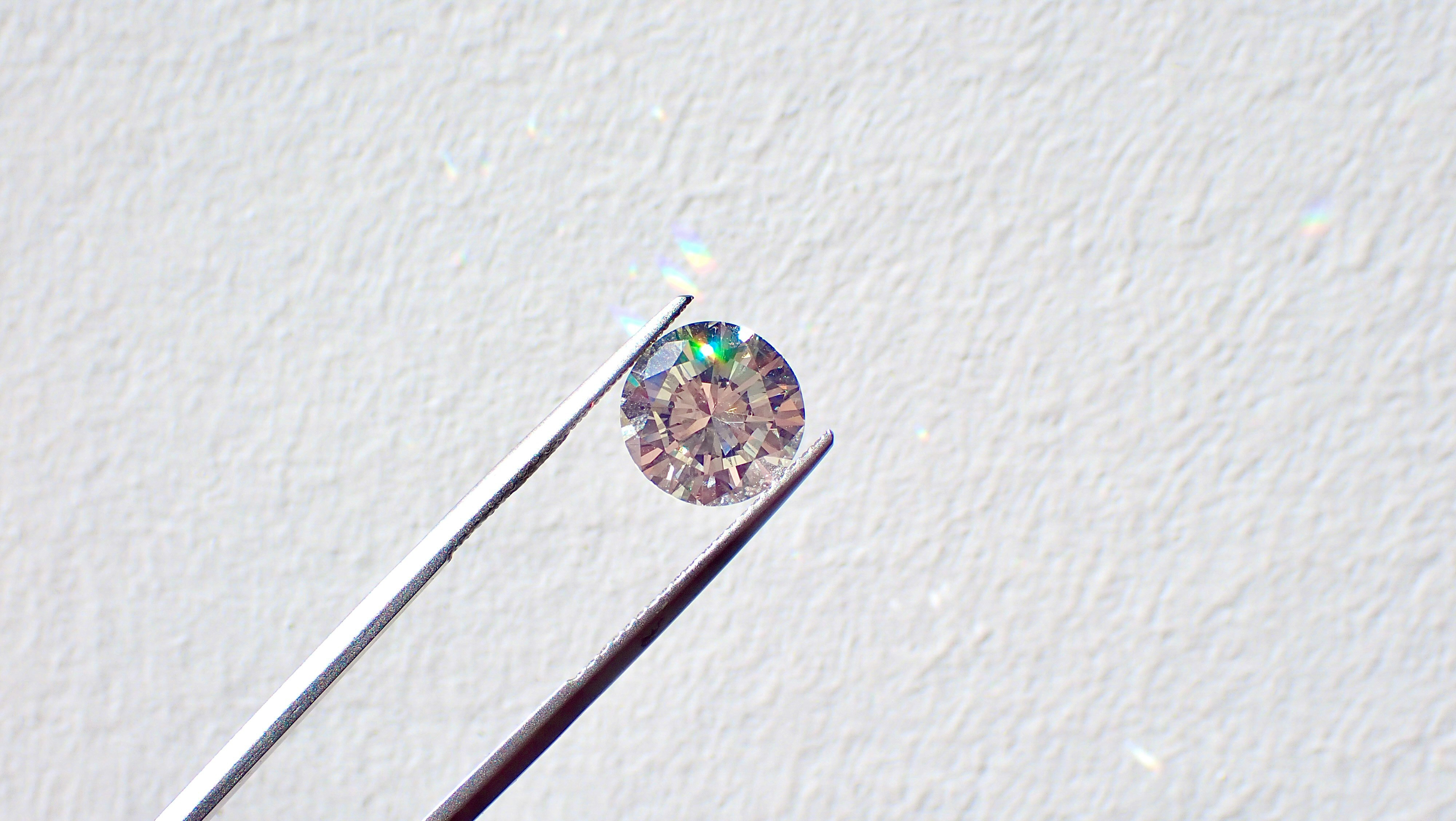
The cut of a diamond refers to how well it has been shaped and faceted, influencing how light interacts with the stone. A well-cut diamond optimizes brilliance and sparkle, enhancing its beauty. Grading cuts ranges from Excellent to Poor, reflecting the craftsmanship involved in bringing out the stone’s potential.
Color is another critical aspect, assessing the presence of color in a diamond. Diamonds are graded from D (colorless) to Z (light yellow or brown), with the most desirable diamonds being colorless or near-colorless. The less color present, the higher the stone’s value typically becomes.
Clarity measures the presence of internal or external flaws, known as inclusions and blemishes, respectively. This grade varies from Flawless (no inclusions visible under 10x magnification) to Included (inclusions visible to the naked eye). Higher clarity grades generally command higher prices, as they indicate a rarer quality of the diamond.
Carat weight signifies the size of the diamond, with one carat equivalent to 0.2 grams. While larger diamonds are often more sought after, the price per carat can increase dramatically with size, particularly in conjunction with exceptional grades across the other Cs.
Certification by reputable gemological laboratories provides assurance that the diamond has been evaluated based on these criteria, lending transparency and trustworthiness to the buying process. Buyers can confidently invest in certified diamond rings, knowing that the certification accurately reflects the rings’ quality according to expert grading standards.
The Most Recognized Certification Organizations
When purchasing a certified diamond, understanding the certification process is essential. Several key organizations evaluate and certify diamonds, ensuring that consumers are well-informed about the quality and value of their purchase. Among these, the Gemological Institute of America (GIA) is one of the most esteemed and recognized certification bodies in the world. Established in 1931, GIA sets industry standards by employing rigorous grading criteria and expert gemologists who assess diamonds based on the renowned 4 Cs: carat weight, cut, color, and clarity. A GIA certificate assures customers that their diamond has undergone thorough inspection and evaluation, adding considerable trust to the buying process.
Another notable organization is the American Gem Society (AGS). Founded in 1934, AGS is dedicated to protecting gem and jewelry consumers through its strict ethical standards and thorough educational efforts. Like GIA, AGS utilizes an established grading system that is fundamentally grounded in the same 4 Cs but goes one step further by focusing predominantly on the cut of the diamond. This emphasis on cut quality helps ensure that consumers receive diamonds that not only possess beauty but also brilliance when viewed under light.
In addition to GIA and AGS, there are other certification bodies worth mentioning, such as the International Gemological Institute (IGI) and the European Gemological Laboratory (EGL). Both institutes offer certification services, though the recognition and reputation of their grading can vary depending on geographical location and market demand. It is critical for consumers to seek certification from reputable organizations to ensure authenticity and quality. Furthermore, it is advisable to examine the details included in the certification report, as a reliable certificate will provide comprehensive information about the diamond’s characteristics, thus enabling informed purchasing decisions.
The Risks of Buying Non-Certified Diamonds
Purchasing a diamond is a significant investment, and as such, buyers must exercise caution, particularly regarding the certification of the stone. Non-certified diamonds pose various risks that can impact not just the quality and value of the diamond but also the buyer’s overall experience. One of the most considerable concerns surrounding non-certified diamonds is the potential for substandard quality. Without certification from a reputable gemological laboratory, there is no reliable way to verify the diamond’s cut, color, clarity, or carat weight. As a result, buyers may unknowingly acquire a low-quality diamond that does not meet their expectations.
Another critical risk is the possibility of purchasing a synthetic or even fake diamond. The market has seen an increase in the availability of lab-grown diamonds, and without a certificate to distinguish between natural and synthetic stones, buyers might find themselves misled. Some unscrupulous sellers may even attempt to pass off imitation stones as real diamonds. The absence of certification ultimately leads to a lack of transparency regarding the diamond’s origin and authenticity.
Moreover, failing to obtain a certified diamond can adversely affect the long-term value of the purchase. Certified diamonds hold their value better in the resale market because potential buyers can trust their quality assessments. Non-certified diamonds, on the other hand, may be significantly undervalued due to uncertainty regarding their specifications. If one decides to resell a non-certified diamond, they may struggle to receive a fair price due to the increased risk buyers associate with these stones.
In conclusion, the risks associated with non-certified diamonds underscore the importance of verification in diamond purchases. Ensuring that a diamond comes with a reliable certification helps protect buyers from low-quality stones, fakes, and depreciation in value, making it a crucial factor in any purchasing decision.
When considering the purchase of a diamond, one crucial aspect that buyers often overlook is the importance of certification. Certified diamonds come with an appraisal from a reputable gemological laboratory, detailing their quality and authenticity, which directly influences their market value. Diamonds that are certified by accredited organizations such as the Gemological Institute of America (GIA) or the American Gem Society (AGS) have undergone rigorous testing and evaluation. This ensures that the diamond’s characteristics, including carat weight, cut, clarity, and color, are accurately represented.
The certification process not only verifies the diamond’s specifications but also serves as a landmark of quality. A certified diamond instills confidence in the buyer, leading to increased demand in the marketplace. As a result, certified diamonds tend to appreciate more significantly in value over time compared to their non-certified counterparts. This trend is driven by a growing awareness among consumers regarding the benefits of certified gemstones and their long-term investment potential.
Moreover, the resale market for certified diamonds is generally more favorable. Buyers are more likely to invest in a certified diamond due to its proven quality and traceable history through its certificate. This creates a more liquid market for certified stones, as potential buyers are often willing to pay a premium for the assurance that comes with certification. On the contrary, non-certified diamonds often have vague descriptions and lack a detailed appraisal, making it difficult for sellers to command a competitive price.
In essence, certification not only ensures that the diamond meets certain quality standards but also enhances its value and desirability in the eyes of future buyers. This fundamental guarantee of quality assures that the investment made by the buyer is secure, making it an imperative consideration for anyone looking to purchase a diamond ring.
How to Read a Diamond Certification Report
Interpreting a diamond certification report can significantly influence your purchasing decision. Understanding the details provided in the certificate ensures that you are making an informed choice regarding your diamond investment. The report is typically structured around several crucial attributes, which we will explore in this section.
The primary focus of any diamond certification report is the “4 Cs”—Cut, Color, Clarity, and Carat weight. Cut refers to how well the diamond has been shaped and faceted, affecting its brilliance. A well-cut diamond reflects light optimally, enhancing its appearance. Next is Color, which indicates the presence of color in the diamond; the less color, the higher the grade. Diamonds are graded from D (colorless) to Z (light yellow or brown) on this scale.
Clarity measures the presence of imperfections, known as inclusions and blemishes, inside or outside the stone. Higher clarity grades signify fewer imperfections, contributing to the diamond’s overall value. The grading scale ranges from Flawless (no inclusions visible under 10x magnification) to Included (inclusions visible to the naked eye). Lastly, Carat weight indicates the size and weight of the diamond, with one carat equal to 200 milligrams.
In addition to the 4 Cs, the certification may include notations about the diamond’s treatments, fluorescence, and a unique identification number, essential for ensuring authenticity. Familiarizing yourself with these aspects will empower you to discern the true value of the diamond and verify that it matches your expectations.
By leveraging this information, you can confidently navigate the purchasing process, ensuring that your chosen diamond aligns with both your aesthetic preferences and financial considerations.
Certifications and Ethical Sourcing
When purchasing diamond rings, understanding the significance of certification and its relationship with ethical sourcing is paramount. The diamond industry has faced scrutiny regarding labor practices, environmental impact, and the socio-economic implications of diamond mining. Hence, certification not only signifies the quality and authenticity of a diamond but also acts as a safeguard for consumers against ethical concerns.
Certification organizations such as the Gemological Institute of America (GIA) and the International Gemological Institute (IGI) assess diamonds based on various criteria, including cut, clarity, color, and carat weight. However, an increasing number of certification bodies are beginning to incorporate assessments of ethical sourcing practices into their frameworks. This dual focus allows buyers to identify diamonds that adhere not only to stringent quality standards but also to responsible mining practices. The result is a marketplace that values both beauty and ethical considerations.
For instance, organizations like the Responsible Jewellery Council (RJC) provide certification that ensures diamonds are sourced from suppliers that uphold human rights and environmental sustainability. Buyers can feel more confident in their purchases when they know that their diamond rings have been sourced responsibly. Additionally, transparency in sourcing practices helps in evaluating whether the diamonds have been mined without funding conflict or human rights violations. Choosing certified diamonds from ethically responsible sources not only influences the industry positively but also promotes a culture of accountability among suppliers.
In this context, it is evident that certification plays a critical role in the diamond purchasing process, transcending mere quality assurance to encompass ethical dimensions. When consumers understand and prioritize these certifications, they contribute to a demand for ethical practices in the jewelry industry, ensuring that the beauty and craftsmanship of certified diamond rings do not come at the cost of ethical integrity.
Tips for Buying Certified Diamonds
When considering the purchase of a certified diamond, it is essential to approach the process with careful thought and research. Here are several practical tips to help you navigate the purchasing landscape confidently.
First and foremost, always seek out reputable retailers known for their integrity and transparency. Online forums, customer reviews, and recommendations from trusted friends or family can be invaluable in identifying reliable jewelers. Retailers affiliated with established organizations, such as the Gemological Institute of America (GIA) or the American Gem Society (AGS), are highly anbefited since they adhere to strict standards for diamond certification.
Next, do not hesitate to ask detailed questions when assessing a diamond. Inquire about the certification report and the specific attributes of the diamond, including its cut, color, clarity, and carat weight. Ensure that the certification document is readily available for your review and that it comes from a reputable gemological laboratory. Additionally, request to see the diamond under various lighting conditions to appreciate its brilliance and overall appearance.
Another important aspect is to be cautious about deals that seem too good to be true. Scams in the diamond market are not uncommon, so it is crucial to be vigilant. Be wary of sellers who pressure you to make an immediate purchase or those who lack proper documentation. Always take your time to evaluate your options before committing to a decision.
Finally, consider obtaining a second opinion from an independent gemologist, especially if you are purchasing a high-value diamond. A professional review can confirm the authenticity and quality of the diamond, ensuring that you are making a sound investment.
Conclusion: The Importance of Certification
In summary, the significance of purchasing certified diamond rings cannot be overstated. Certification serves as a reliable guarantee of quality, providing essential proof regarding the diamond’s authenticity and characteristics. When investing in such a precious item, the assurance offered by reputable grading organizations, such as the Gemological Institute of America (GIA) or the American Gem Society (AGS), adds considerable value to your purchase. These certifications include detailed reports that outline critical factors such as cut, clarity, color, and carat weight, which are pivotal in determining a diamond’s worth.
Moreover, certification not only protects consumers from potential fraud but also aids in the decision-making process. Understanding the graded qualities of a diamond allows for a more informed selection that meets personal preference and budgetary constraints. A certified diamond assures buyers of its quality and enhances its resale value, making it a wise financial investment.
As you navigate the diverse options available in the diamond market, it is essential to prioritize certified diamonds in your purchasing decisions. Doing so will ensure that you are acquiring high-quality, authentic diamonds while minimizing the risk associated with unverified stones. Ultimately, a certified diamond ring represents more than just a beautiful piece of jewelry; it is a symbol of trust, integrity, and the enduring value of well-chosen investments. For anyone considering a diamond purchase, the emphasis on certification should be a fundamental component of the buying journey.