
Introduction to Diamond Necklaces
Diamond necklaces have long captivated individuals with their exquisite charm and enduring significance. These stunning pieces of jewelry are not just fashionable accessories; they embody deep emotional connections and values, often associated with love, commitment, and special occasions. As symbols of beauty and luxury, diamond necklaces are frequently chosen as gifts for milestones such as anniversaries, graduations, and birthdays, making them a cherished addition to any jewelry collection.
The allure of diamond necklaces lies in their versatility and the elegance they bring to various styles and outfits. Available in numerous designs—from delicate pendants to statement pieces—these necklaces are suitable for both everyday wear and formal events. Their timeless appeal transcends trends, ensuring that they remain a staple in fashion across generations. Moreover, the intrinsic value of diamonds enhances the desirability of these necklaces, as they are not only visually stunning but also serve as a wise investment.
In the realm of jewelry, diamond necklaces stand out as a preferred option for those seeking to express their sentiments in a memorable way. The sparkle and brilliance of diamonds evoke feelings of joy and affection, making them an ideal choice for gifting. As we delve deeper into the world of diamond necklaces, it becomes clear that they are more than just fashionable items; they represent a commitment to love and beauty that resonates with people worldwide.
Types of Diamond Necklaces
When considering the purchase of a diamond necklace, it is essential to understand the various styles available in the market. Each type of diamond necklace serves a unique aesthetic and occasion, making it important for buyers to choose one that aligns with their personal style and intended use.
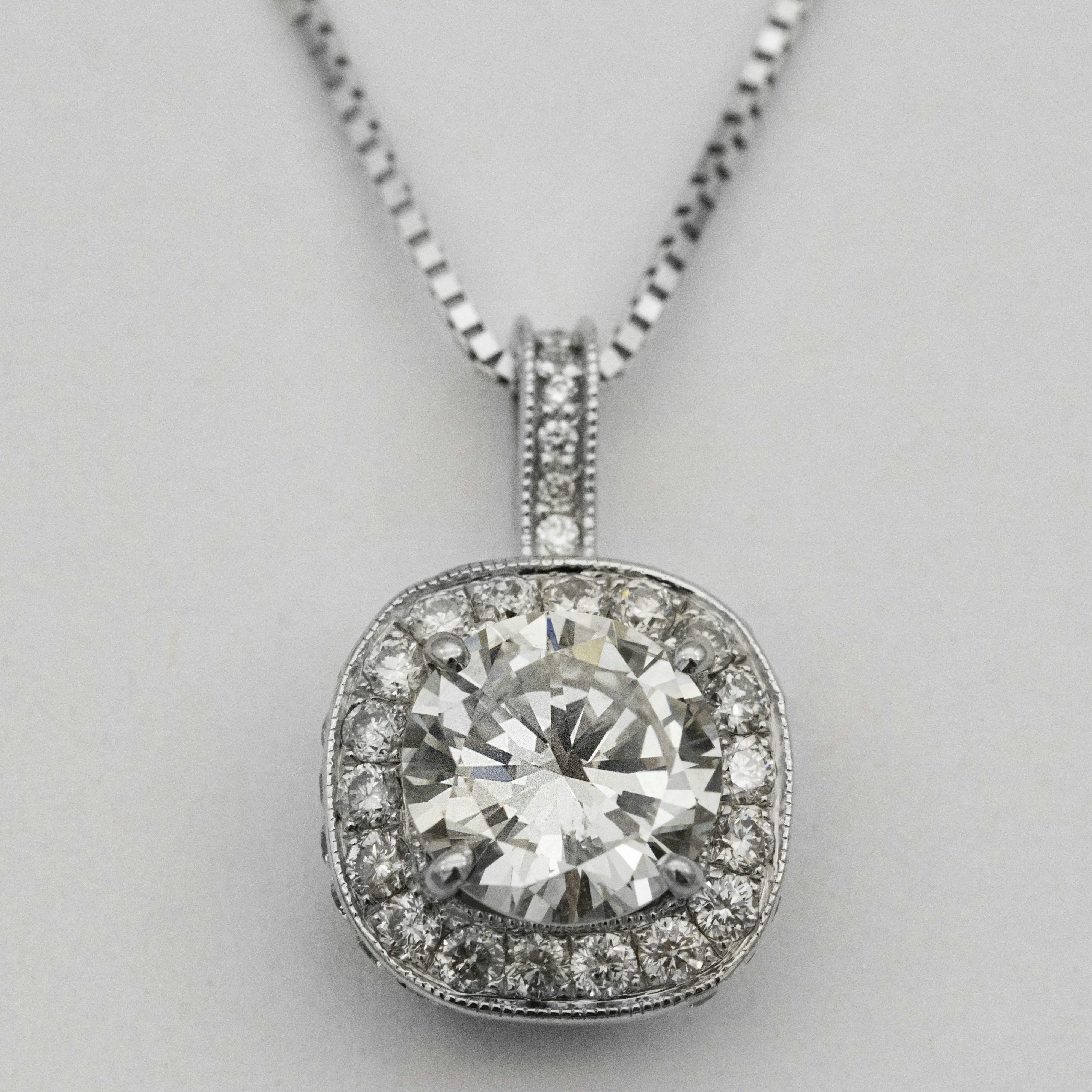
One of the most classic styles is the solitaire necklace. This design features a single diamond, typically set on a simple chain, offering a timeless and elegant look. The solitaire necklace is perfect for both casual outings and formal events. Its simplicity allows the diamond to be the focal point, highlighting its brilliance and cut.
Next is the pendant necklace, which allows for a bit more creativity in design. Pendants can range from intricate designs featuring multiple diamonds or gemstones to more minimalist settings. This type can be personalized with various symbols, making it an ideal gift for special occasions like anniversaries or birthdays.
The diamond collar necklace is another popular choice, known for its bold and statement-making style. This type typically consists of a series of interconnected diamonds set close to the collarbone. It is widely worn at formal occasions such as galas or upscale dinners, as it offers a striking appearance that can elevate any outfit.
Finally, the diamond tennis necklace is characterized by a continuous line of diamonds that encircles the neck. Each diamond is usually of similar size, creating a uniform look. The tennis necklace is versatile, suitable for both everyday wear and special events, making it a favorite among those who appreciate an elegant, yet subtle sparkle.
In summary, selecting the right type of diamond necklace involves understanding the characteristics of each style. Whether one prefers the timeless elegance of a solitaire, the personalized flair of a pendant, the bold statement of a collar, or the classic appeal of a tennis necklace, there is an option available for every occasion and personal style.
Understanding Diamond Quality: The 4 Cs
When selecting a diamond necklace, it is crucial to understand the 4 Cs that determine the quality and value of a diamond: Cut, Color, Clarity, and Carat weight. Each of these factors plays a significant role in the overall appearance and pricing of diamonds.
Cut refers to how well a diamond’s angles and proportions are crafted. This aspect significantly influences the diamond’s brilliance and sparkle. A well-cut diamond will reflect light beautifully, whereas a poorly cut diamond may appear dull. The cut grade typically ranges from Excellent to Poor, resulting in varying appearances and prices. Investing in a high-quality cut can greatly enhance the overall visual impact of a diamond necklace.
Color is rated on a scale from D to Z, with D being completely colorless and Z displaying noticeable color. Generally, diamonds with less color are more desirable and, thus, command higher prices. The color’s subtlety can significantly affect how the diamond complements different metals and settings in a necklace. For instance, a diamond of higher color grade pairs well with platinum or white gold, adding elegance and sophistication.
Clarity assesses the presence of inclusions and blemishes in a diamond. Graded from Flawless to Included, this quality measure affects both aesthetics and valuation. A diamond with high clarity will have fewer visible imperfections, making it more desirable for an exquisite necklace. Clarity is particularly important when viewed under magnification, as it can influence how the diamond sparkles and captures light.
Carat weight refers to the size of the diamond, with one carat equivalent to 200 milligrams. Larger diamonds are rarer and thus more valuable. However, two diamonds of equal carat weight can differ significantly in price based on their cut, color, and clarity. Therefore, understanding these dimensions allows buyers to make informed decisions that suit their preferred style and budget when selecting a diamond necklace.
Price Ranges for Different Styles
When considering the purchase of a diamond necklace, it is essential to understand the price ranges associated with various styles, sizes, and quality levels. The market for diamond jewelry is diverse, and prices can vary significantly based on these factors.
First, the style of the necklace plays a crucial role in determining its price. For instance, a simple diamond pendant necklace may start at a few hundred dollars, typically ranging from $300 to $1,000, depending on the carat weight of the diamond and the metal used for the chain. In contrast, more intricate designs, such as diamond tennis necklaces, often demand higher prices due to the continuous arrangement of diamonds; prices for these pieces can range from $1,500 to over $10,000, largely influenced by the quality and total carat weight of the diamonds.
Size and quality are also critical factors in determining overall cost. Higher carat weight generally leads to increased prices, with diamonds being graded on the four Cs: carat, cut, color, and clarity. For example, a round brilliant cut diamond of one carat can range anywhere from $1,500 to $8,000, depending on its quality grade. Higher quality diamonds with excellent clarity and color grades can push prices significantly higher, sometimes exceeding $15,000 for larger carat weights.
Additionally, the combination of these factors should be kept in mind while budgeting for a diamond necklace. It is advisable for buyers to consider what aspects are most important to them, whether it be style, size, or overall diamond quality, to make an informed decision that aligns with their financial parameters.
Considerations When Buying a Diamond Necklace
Purchasing a diamond necklace is a significant investment, and various factors should be carefully considered before making a decision. One of the first elements to evaluate is the occasion for which the necklace is intended. Whether it is for a birthday, anniversary, or simply as a gesture of affection, the intended use often influences the design and style of the necklace. For instance, a necklace meant for daily wear may adhere to different aesthetic and durability standards compared to one intended for special ceremonies.
Another key consideration is the recipient’s personal style and preferences. An understanding of the individual’s taste can greatly enhance the impact of the gift. Some individuals may prefer classic and understated pieces, while others may favor more contemporary and elaborate designs. Researching the recipient’s jewelry collection or observing their previous accessory choices can provide insights that inform your purchase decision.
Personal budget is another fundamental factor that should guide the selection process. Establishing a clear maximum spending limit helps in narrowing down the options. It is essential to find a balance between quality and price, ensuring that the chosen piece fits within financial means while also meeting expectations in terms of craftsmanship and material.
Moreover, not all jewelry retailers provide the same level of assurance regarding quality and authenticity. Opting for reputable retailers, particularly those recognized for their diamond offerings, is crucial. Look for retailers who provide certification from reputable gemological organizations, as well as warranties or guarantees that ensure recourse in case of defects. Such certifications outline the quality of diamonds in terms of the four Cs: cut, clarity, carat weight, and color. This due diligence not only secures the buyer’s investment but also offers peace of mind.
How to Choose the Right Necklace Length
Choosing the appropriate length for a diamond necklace is crucial, as it can dramatically influence the overall appearance and comfort of the wearer. Diamond necklaces are available in various lengths, each serving a distinct style and purpose. The primary styles include chokers, princess, matinee, and opera lengths. Understanding these categories can aid in selecting the right necklace length for personal style and body type.
A choker necklace typically measures 14 to 16 inches and fits closely around the neck. This style is flattering for those with longer necks, as it emphasizes the collarbone and adds definition to the neckline. Chokers can be adorned with diamonds or other gemstones, making them a striking choice for both casual and formal occasions.
The princess length, ranging from 17 to 19 inches, is one of the most popular options. It sits comfortably just below the collarbone, making it well-suited for almost all body types. This length tends to enhance the wearer’s neckline and can elegantly highlight the diamond centerpiece, which is why it is a favored choice for both everyday wear and special events.
For a longer look, the matinee length necklace falls between 20 to 24 inches. It tends to rest at the bust, making it an excellent option for layering with shorter necklaces. This length can create a sophisticated look and is perfect for enhancing both casual and semi-formal outfits.
Finally, the opera length, which ranges from 28 to 34 inches, provides versatility. It can be worn as a single strand or doubled for a layered effect. This length is particularly flattering for those with a fuller figure, as it elongates the silhouette while offering a striking focal point when adorned with multiple diamonds.
In conclusion, selecting the right necklace length for diamond jewelry depends on personal preference and body type, ensuring the ideal balance between style and comfort. Identifying the optimal length not only complements the wearer’s individual aesthetic but also enhances the overall impact of the diamond necklace.
Popular Settings for Diamond Necklaces
When selecting a diamond necklace, one of the key elements that define its overall aesthetic and functionality is the setting of the diamond. Different settings not only enhance the visual appeal of the necklace but also provide varying levels of security and protection for the diamond itself. Understanding the common types of diamond settings can help you make an informed decision.
The prong setting is one of the most popular choices for diamond necklaces. It typically features four or six metal prongs that hold the diamond securely in place while allowing ample light to enter the stone from multiple angles. This not only maximizes the diamond’s brilliance but also creates a modern and timeless appearance. However, the prong setting does expose the diamond to potential damage, as it is more vulnerable to knock or snag, particularly in everyday wear.
The bezel setting is another prominent option, where a metal rim encircles the diamond, holding it securely in place. This type of setting provides a sleek and contemporary look while offering excellent protection for the diamond. Bezel settings are particularly suitable for individuals with an active lifestyle, as they reduce the risk of chipping or losing the stone. Additionally, this setting can give the illusion of a larger diamond due to its surrounding rim.
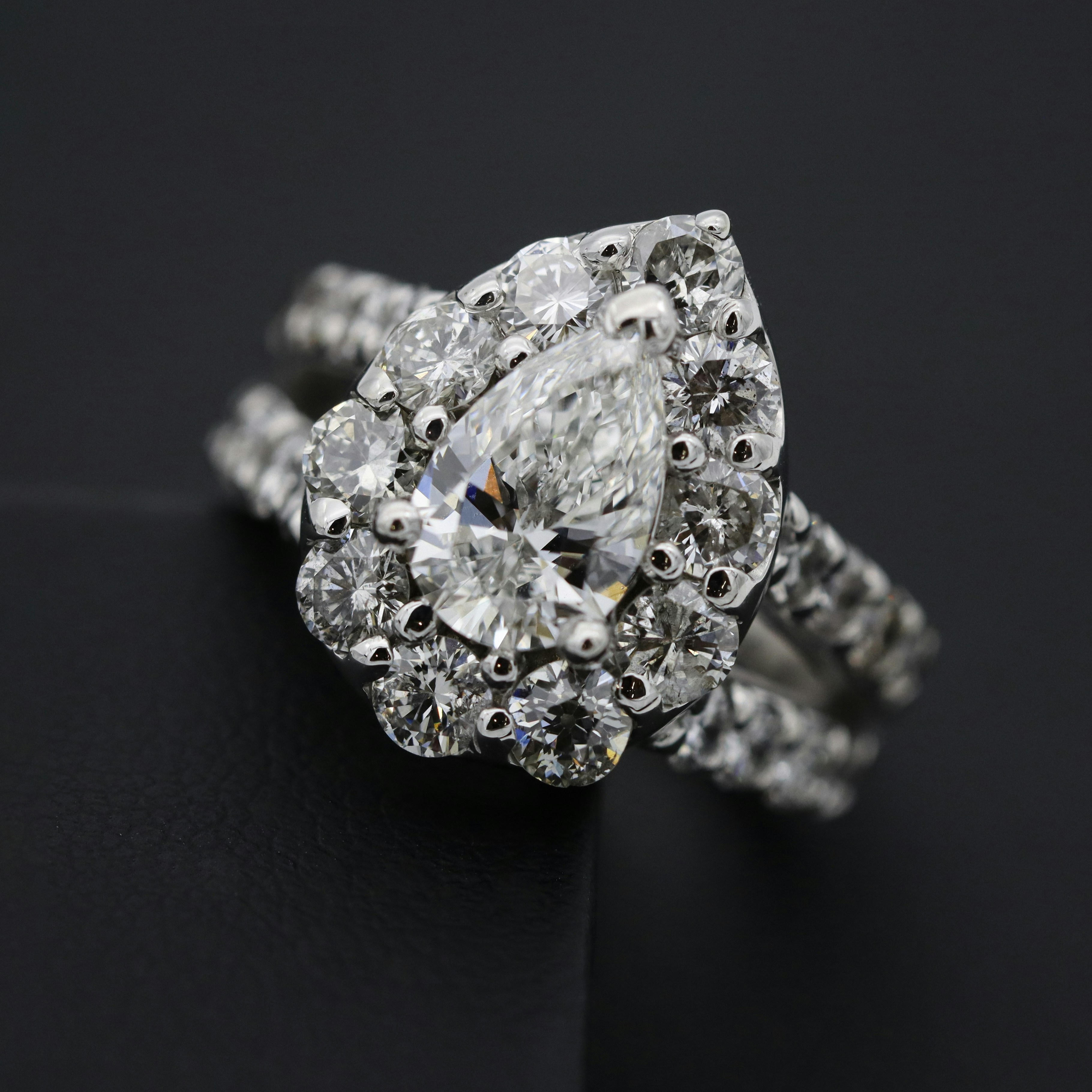
Lastly, the halo setting is characterized by a central diamond encircled by a series of smaller diamonds, creating a striking visual effect. Not only does this design amplify the overall sparkle, but it also enhances the perceived size of the center stone. The halo setting can be designed in various styles, from vintage-inspired to modern interpretations, making it a versatile choice for many consumers.
Each of these settings—prong, bezel, and halo—provides distinct benefits and aesthetics, affecting the overall look and durability of the necklace. By considering these options, potential buyers can select the perfect setting that complements their personal style and lifestyle needs.
Care and Maintenance Tips for Diamond Necklaces
Proper care and maintenance of diamond necklaces are essential for preserving their brilliance and ensuring longevity. Regular attention will help keep the necklace sparkling and in excellent condition. Here are several recommended practices.
One of the primary steps in maintaining a diamond necklace is routine cleaning. Diamonds can accumulate dust, oils, and grime over time, dulling their shine. A simple cleaning solution can be made from lukewarm water mixed with a few drops of mild dish soap. Using a soft brush, such as a toothbrush, gently scrub the diamond and its setting, being careful to reach any crevices. Afterward, rinse the necklace under warm running water and dry it with a soft, lint-free cloth.
Storage is another critical aspect of diamond necklace maintenance. Always store the necklace in a soft-lined jewelry box or pouch to prevent scratching. It’s advisable to keep diamond necklaces away from other jewelry pieces, particularly those with softer materials, to avoid any potential damage. Consider wrapping individual pieces in soft cloths to provide extra protection when storing them together.
In addition to home care, professional inspections and cleanings are crucial. It is recommended to have your diamond necklace checked by a professional jeweler at least once a year. This ensures that the settings are secure and allows for cleaning that can restore the necklace’s original luster. If the diamond exhibits any signs of loosening or if the metal shows wear, immediate professional attention is necessary to prevent loss or damage.
By adhering to these cleaning and storage tips, along with regular professional evaluations, you can successfully maintain the beauty and value of your diamond necklace for years to come.
Conclusion and Final Thoughts
In the exploration of diamond necklaces, we have covered several essential aspects, including the various styles, price ranges, and important purchasing strategies. Each style, whether it be a classic solitaire pendant, an intricate vintage piece, or a modern statement necklace, offers unique ways to express individual tastes and occasions. Understanding the different styles allows prospective buyers to make selections that align with their personal aesthetics.
The price of a diamond necklace can vary widely based on factors such as carat weight, cut, color, and clarity. It is crucial to set a budget while also considering the quality and craftsmanship of the piece. Investing in a high-quality diamond necklace can not only enhance your collection but also serve as a cherished heirloom for future generations.
Furthermore, being informed about the buying process is imperative. Whether opting for online retailers or local jewelers, consumers should research the stores and understand the certifications that validate the quality of the diamonds. A knowledgeable salesperson can greatly assist in navigating these decisions, ensuring peace of mind during the purchase.
As you consider adding a diamond necklace to your jewelry repertoire, reflect on your personal style and the purpose behind the purchase. Whether it is for a special occasion or an everyday accessory, the right diamond necklace should resonate with you. Ultimately, take your time in selecting a piece that you truly love, allowing it to complement your style and enhance your collection. A well-chosen diamond necklace can symbolize not just elegance but also meaningful moments in life.